
Lower Back Pain After a Car Accident: What's Actually Injured
Lower back pain after a crash usually comes from strained muscles, irritated spinal joints, or an irritated disc — and less often from a fracture. An exam can usually tell which pattern you have, and that decides what kind of rehabilitation makes sense.
PT Near Me
Florida-licensed in-home physical therapy team
What is actually injured
The low back absorbs a lot in a crash. The seatbelt holds your pelvis while your trunk moves, and the spine is compressed and twisted at the same time. Several different structures can be irritated, and they produce different patterns.
| Structure | How it feels | Typical clues |
|---|---|---|
| Muscle and fascia strain | Broad ache and tightness across the low back | Sore to touch, worse after sitting, eases with gentle movement |
| Facet joint irritation | Sharp, one-sided pain near the spine | Worse with leaning back or twisting |
| Disc irritation | Deep central pain, sometimes into the leg | Worse with sitting, bending forward, coughing |
| Sacroiliac joint | Pain just below the belt line to one side | Worse rolling in bed, standing on one leg |
| Nerve root irritation | Pain, numbness, or tingling down the leg | Follows a line; may include weakness |
| Fracture | Severe, localized pain | High-energy crash, osteoporosis, pain even at rest — needs imaging |
Why it can hurt more later
Adrenaline at the scene hides pain. Then inflammation builds over the next day or two, and the muscles around the injured segment tighten to protect it. That is why many people describe the second and third mornings as the worst part.
Sitting also matters. If you spent the first days after the crash sitting still because moving hurt, the tissue stiffens and disc pressure stays high. Pain that seems to arrive on day four is often the result of that pattern rather than a new injury.
What recovery typically looks like
- First few days: pain and guarding peak. Short walks and position changes are usually better tolerated than sitting still.
- Weeks 1–3: pain becomes more predictable. Bending, rolling in bed, and getting in and out of a car start to improve.
- Weeks 3–8: many people return to most normal activity, with flares after long drives or heavy days.
- Beyond 8 weeks: some people still have symptoms. That usually means the plan needs to change, not that recovery is impossible.
Leg symptoms often take longer to settle than back symptoms, and it is common for pain to move out of the leg and back toward the spine as things improve.
Red flags that need immediate attention
- Loss of bladder or bowel control, or numbness around the groin or inner thighs
- Progressive weakness in a leg or foot, such as a foot that drags
- Severe pain that does not ease in any position, especially at night
- Fever, unexplained weight loss, or a history of cancer with new back pain
- Severe, pinpoint spinal pain after a high-speed crash
- Abdominal pain, bruising across the belt line, or blood in the urine
What physical therapy does for it
The exam comes first: how you move, which positions provoke and relieve the pain, joint mobility segment by segment, strength, and a neurological screen of the legs. Then the plan follows the pattern rather than a template.
- Find positions and movements that reduce your symptoms, and use them early and often.
- Use hands-on techniques to reduce joint stiffness and muscle guarding.
- Restore hip and mid-back mobility, since both change how much load the low back takes.
- Rebuild deep trunk and hip strength with progressions you can do in your own home.
- Retrain lifting, sitting, sleeping, and driving so daily life stops re-irritating the area.
Physical therapy does not repair a disc or erase an injury. It changes how the area is loaded and how well the surrounding muscles support it, which for many people means less pain and better function over time.
What an in-home visit looks like
The therapist works with what you have — your bed, your couch, your stairs, the floor space in your living room. For back pain that is genuinely useful, because getting out of bed, off a low sofa, and in and out of your car are usually the exact tasks that hurt. Those get practiced where they actually happen.
Frequently asked questions
- What is usually injured in the low back after a car accident?
- Most often muscles and fascia, the small facet joints of the spine, a disc, or the sacroiliac joint. Fractures happen but are much less common, and they are typically identified by imaging after an in-person exam.
- How long does low back pain after a crash last?
- Many people improve substantially over three to eight weeks, and some take longer. Leg symptoms often settle more slowly than back symptoms. No clinician can promise a date.
- Should I rest or move?
- Extended bed rest tends to slow recovery. Short walks, frequent position changes, and guided exercise are usually better tolerated, as long as movement is not producing sharp or spreading leg symptoms.
- Does pain down my leg mean a herniated disc?
- Not necessarily. Leg pain can come from a nerve root, the sacroiliac joint, or referred pain from muscles and joints. An exam that tests sensation, strength, and reflexes helps sort this out.
- When is low back pain after a crash an emergency?
- Loss of bladder or bowel control, numbness around the groin, progressive leg weakness, unrelenting night pain, or abdominal pain and bruising all require same-day medical care.
Related articles
- Recovering After a Crash
Symptoms That Show Up Days or Weeks After a Car Accident
It is normal for crash symptoms to appear a day, a week, or even a few weeks later, because adrenaline masks pain and inflammation builds over time. Neck and back stiffness, headaches, numbness, and dizziness are the most common late arrivals, and all of them are worth an in-person exam.
PT Near Me · August 26, 2026
- Recovering After a Crash
Numbness and Tingling After a Car Accident: What It Means
Numbness or tingling after a crash usually means a nerve is irritated somewhere along its path — most often at a nerve root in the neck or low back, or where the nerve passes through tight tissue. Numbness with weakness, or numbness in both limbs, needs prompt medical evaluation.
PT Near Me · August 26, 2026
- Recovering After a Crash
Neck Pain After a Car Accident: How Long It Lasts and What Helps
Most neck pain after a car accident is a strain of the muscles, joints, and ligaments of the neck, and for many people it settles down over a few weeks. Gentle movement, guided exercise, and an in-person exam early on are what tend to help most.
PT Near Me · August 26, 2026
In your city
Conditions we treat across Florida
Each guide below covers the clinical evidence, recovery timelines, and coverage details specific to these conditions.
Don’t see your city? View all Florida service areas.
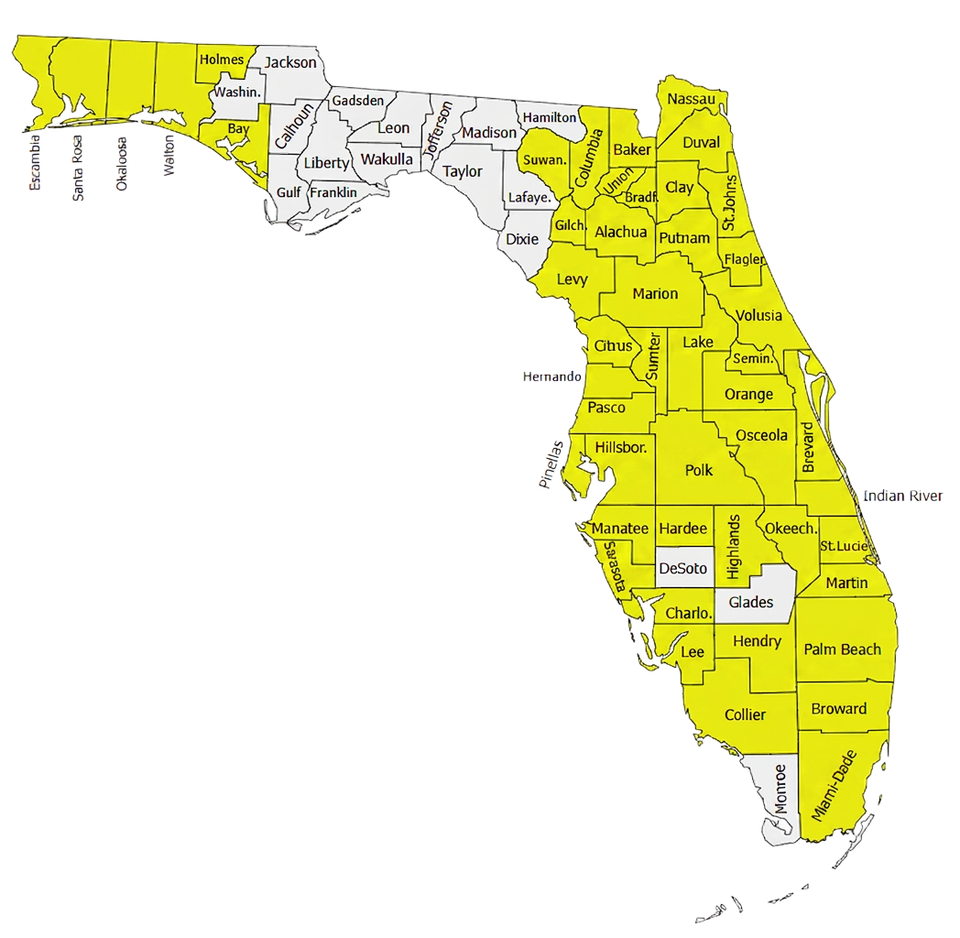
Florida-licensed physical therapists covering 50+ counties in Florida.
Our clinicians reach major metros and rural communities alike — from the Panhandle to the Keys. Patients are typically seen at home or at their workplace within 48 hours of a complete referral.
- Clinicians on our team
- Statewide
- Florida counties covered
- 50+
Need to refer a Florida patient?
Our intake team confirms auto insurance coverage during the call and schedules most patients at home or at their workplace within 48 hours.