
Symptoms That Show Up Days or Weeks After a Car Accident
It is normal for crash symptoms to appear a day, a week, or even a few weeks later, because adrenaline masks pain and inflammation builds over time. Neck and back stiffness, headaches, numbness, and dizziness are the most common late arrivals, and all of them are worth an in-person exam.
PT Near Me
Florida-licensed in-home physical therapy team
Why symptoms are often delayed
Three things happen in the hours and days after a crash. Your stress response floods your system and raises your pain threshold, so you may walk away feeling fine. Then the injured tissue swells, which takes hours to build. Then your muscles begin to guard the injured area, which is what creates that deep stiffness people describe on day two or three.
There is also a slower version of this. Nerve irritation, joint irritation, and injuries that only hurt under load can take a week or more to show up, especially if you spent the first several days moving very little.
What tends to show up late
| Symptom | Often appears | Commonly related to |
|---|---|---|
| Neck stiffness, hard to turn the head | 1–3 days | Strained neck muscles and irritated joints |
| Low back pain and pain with sitting | 1–7 days | Strained back muscles, joint or disc irritation |
| Headache from the base of the skull | 1–7 days | Neck joints and muscles; sometimes concussion |
| Dizziness, fogginess, light sensitivity | 1–14 days | Concussion or inner-ear and neck involvement |
| Numbness or tingling in an arm or hand | 3–21 days | Nerve root or nerve irritation |
| Shoulder pain that limits reaching | 3–21 days | Rotator cuff or seatbelt-related strain |
| Knee pain with stairs | 3–21 days | Dashboard contact, ligament or cartilage irritation |
How long the delay usually lasts
Most symptoms that are going to appear appear within the first two weeks. A smaller number of people notice something later than that, usually when they return to work, driving, or exercise and the load exposes a problem that rest was hiding.
Once symptoms appear, recovery timelines vary widely. Many soft-tissue injuries improve substantially over several weeks. Some take months. What matters more than the calendar is whether things are trending in the right direction and whether the plan is being adjusted when they are not.
Red flags that need immediate medical attention
- Worsening headache, repeated vomiting, or increasing confusion or drowsiness
- Numbness or weakness in an arm or leg, or numbness in both limbs
- Loss of bladder or bowel control, or numbness in the groin area
- Chest pain, shortness of breath, or abdominal pain and bruising
- Fainting, seizure, slurred speech, or double vision
- Inability to bear weight on a leg, or an obvious deformity
These are emergency-department symptoms, not physical therapy symptoms. Get medical care first; rehabilitation comes after you have been cleared.
What physical therapy does at this stage
When symptoms appear late, the first job is a careful examination to sort out what is irritated and what is not. A therapist tests movement, strength, joint mobility, and nerve sensitivity, and screens for the things that belong to a physician instead.
- Restore movement in the joints and tissue that have stiffened during the quiet first week
- Reduce muscle guarding so the area tolerates normal daily loads
- Rebuild the strength and control lost while you were protecting the area
- Reintroduce driving, lifting, sitting, and work tasks in a graded way
- Track whether symptoms are improving, and refer back to a physician when they are not
Nothing here is a guarantee. Physical therapy is a structured way to load and retrain tissue while you heal; it cannot promise how much or how fast that healing happens.
What an in-home visit looks like
You do not need to drive anywhere, which matters a lot when sitting in a car is one of the things that hurts. A therapist comes to you, takes a full history of the crash and what has changed since, performs the exam, and starts treatment the same visit. You will leave with a short, specific home program instead of a long list you will not do.
Frequently asked questions
- Is it normal to feel fine after a crash and hurt two days later?
- Yes. The stress response after a crash masks pain, and inflammation and muscle guarding build over 24 to 72 hours. Feeling worse on day two or three is one of the most common patterns.
- How late can symptoms appear after a car accident?
- Most appear within the first two weeks. Some show up later, often when a person returns to work, driving, or exercise and the added load exposes an irritated joint, muscle, or nerve.
- Do delayed symptoms mean the injury is minor?
- No. Timing does not tell you severity. Some injuries that appear late need only a few weeks of rehabilitation, and others need a physician's evaluation and imaging.
- Should I get checked if the pain is mild?
- An in-person exam is reasonable for any new symptom after a crash. It creates a baseline, catches the problems that need a physician, and lets rehabilitation start before stiffness sets in.
- Which delayed symptoms are emergencies?
- Worsening headache with vomiting or confusion, numbness or weakness in a limb, loss of bladder or bowel control, chest or abdominal pain, fainting, or inability to bear weight all need same-day care.
Related articles
- Recovering After a Crash
Neck Pain After a Car Accident: How Long It Lasts and What Helps
Most neck pain after a car accident is a strain of the muscles, joints, and ligaments of the neck, and for many people it settles down over a few weeks. Gentle movement, guided exercise, and an in-person exam early on are what tend to help most.
PT Near Me · August 26, 2026
- Recovering After a Crash
Lower Back Pain After a Car Accident: What's Actually Injured
Lower back pain after a crash usually comes from strained muscles, irritated spinal joints, or an irritated disc — and less often from a fracture. An exam can usually tell which pattern you have, and that decides what kind of rehabilitation makes sense.
PT Near Me · August 26, 2026
- Recovering After a Crash
Headaches After a Car Accident: Causes, Red Flags, and Treatment
Most headaches after a car accident come from the neck joints and muscles or from a concussion, and the two often overlap. A headache that keeps getting worse, or comes with vomiting, confusion, or weakness, needs same-day medical care.
PT Near Me · August 26, 2026
In your city
Conditions we treat across Florida
Each guide below covers the clinical evidence, recovery timelines, and coverage details specific to these conditions.
Don’t see your city? View all Florida service areas.
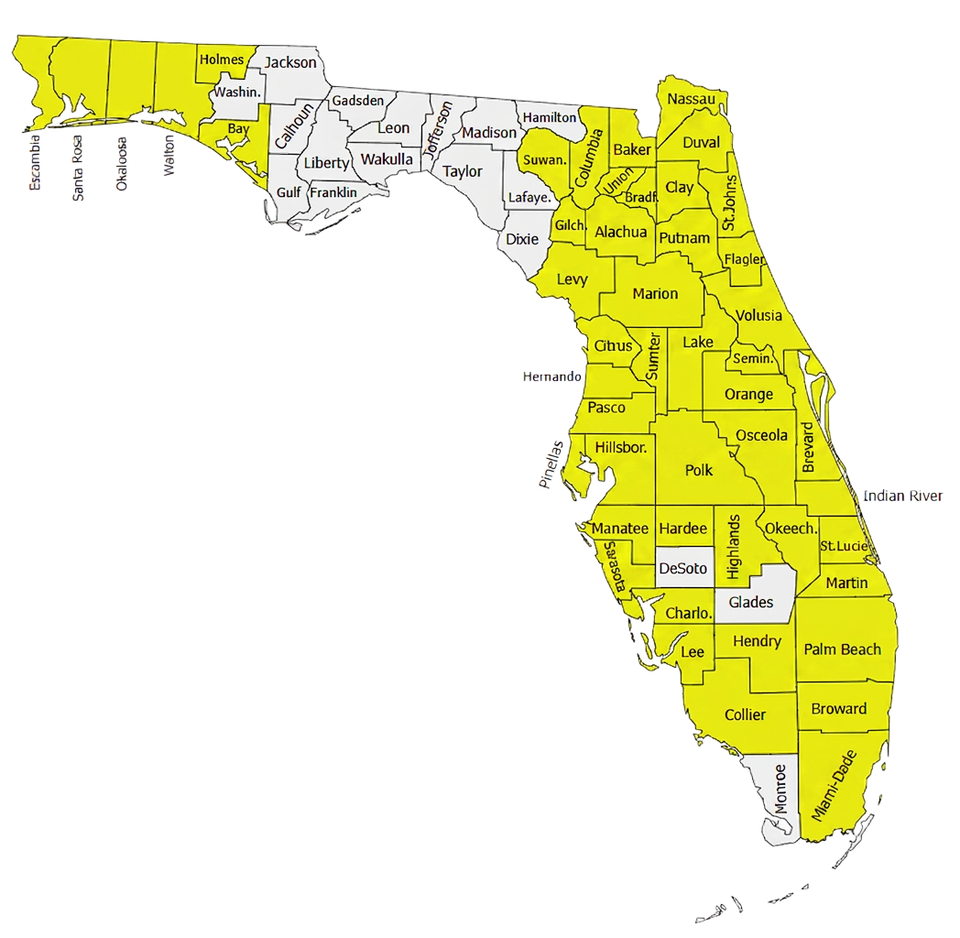
Florida-licensed physical therapists covering 50+ counties in Florida.
Our clinicians reach major metros and rural communities alike — from the Panhandle to the Keys. Patients are typically seen at home or at their workplace within 48 hours of a complete referral.
- Clinicians on our team
- Statewide
- Florida counties covered
- 50+
Need to refer a Florida patient?
Our intake team confirms auto insurance coverage during the call and schedules most patients at home or at their workplace within 48 hours.