
Numbness and Tingling After a Car Accident: What It Means
Numbness or tingling after a crash usually means a nerve is irritated somewhere along its path — most often at a nerve root in the neck or low back, or where the nerve passes through tight tissue. Numbness with weakness, or numbness in both limbs, needs prompt medical evaluation.
PT Near Me
Florida-licensed in-home physical therapy team
What numbness and tingling mean
Nerves carry signals from your skin and muscles to your spinal cord and brain. When a nerve is compressed, stretched, or inflamed anywhere along that path, the signal changes. You feel pins and needles, buzzing, burning, patches of numbness, or a limb that feels heavy and clumsy.
In a crash, this happens in a few typical ways: the nerve root gets irritated where it leaves the spine, the nerve gets compressed by swollen or guarding tissue further along its path, or a stretch injury irritates the nerve directly.
| Where you feel it | Common source |
|---|---|
| Thumb side of the hand, outer arm | Nerve root in the mid-neck |
| Ring and little finger, inner forearm | Lower neck nerve root, or nerve compression at the elbow |
| Whole hand, worse at night | Nerve compression at the wrist, often with neck involvement |
| Back of the thigh into the calf and foot | Lower lumbar nerve root |
| Front of the thigh | Upper lumbar nerve root or hip-related |
| Both arms or both legs, or the groin | Needs urgent medical evaluation |
Why it often starts a week or two later
Nerve symptoms are frequently late arrivals. Swelling around an irritated nerve root builds over days. Muscle guarding tightens tissue that the nerve passes through. And sitting still — which most people do after a crash — increases pressure on the discs in the low back and keeps the neck at end range.
Symptoms that appear a week or three after the crash are common. What matters is whether they are staying in one place, spreading, or coming with new weakness.
How nerve symptoms usually change
Nerve tissue is slower to settle than muscle. Many people notice improvement in stages: the symptom retreats toward the spine, then becomes intermittent, then only shows up with specific positions, then goes quiet. Full resolution can take weeks to months, and some people are left with a small patch of altered sensation.
- Symptoms moving closer to the spine is usually a good sign.
- Symptoms spreading further down the limb usually means the plan needs to change.
- New or progressing weakness always needs medical re-evaluation.
Red flags that need immediate attention
- Numbness or weakness in both arms or both legs
- Numbness around the groin, buttocks, or inner thighs
- Loss of bladder or bowel control
- A foot that drags, or a hand that cannot grip
- Progressive weakness over hours or days
- Trouble with balance, walking, or coordination
- Face involvement, slurred speech, or vision changes
What physical therapy does for it
The exam is central here. A therapist tests sensation, strength, and reflexes, uses nerve mobility tests to find where the nerve is sensitive, and checks the spinal segments that could be the source. That determines whether physical therapy is appropriate or whether you should see a physician first.
- Use positions and movements that reduce the nerve symptom, and avoid the ones that spread it.
- Reduce joint stiffness and muscle guarding along the nerve's path with hands-on work.
- Introduce gentle nerve mobility exercises at a dose the nerve tolerates.
- Rebuild strength in the muscles the nerve supplies as sensation and control return.
- Change the daily loads — desk setup, driving position, sleeping posture — that keep the nerve irritated.
Nerve recovery cannot be rushed or promised. The goal is to remove what is provoking the nerve and give it room and time, while keeping the rest of the limb strong.
What an in-home visit looks like
Nerve symptoms are often worst after sitting, which makes driving to appointments counterproductive. A therapist comes to your home, performs the full neurological screen, treats the same visit, and adjusts your sleeping and sitting setup on the spot. Progress is re-checked visit to visit so the plan changes when the symptoms do.
Frequently asked questions
- What causes numbness and tingling after a car accident?
- An irritated nerve. Most often the nerve root where it leaves the neck or low back, or a point further along the nerve where swollen or tight tissue compresses it.
- Is tingling in my hand after a crash serious?
- It should be evaluated. Intermittent tingling in one hand is common and often treatable, but numbness with weakness, or numbness in both hands, needs prompt medical care.
- How long does nerve numbness take to go away?
- Nerve symptoms usually settle more slowly than muscle pain — often weeks to months, in stages. Some people are left with a small area of altered sensation.
- Can physical therapy help nerve symptoms?
- Often, yes. Treatment focuses on reducing what is provoking the nerve, restoring motion along its path, and rebuilding strength. Results vary, and worsening weakness is a reason to return to a physician.
- When is numbness an emergency?
- Numbness in both limbs, numbness around the groin, loss of bladder or bowel control, a dragging foot, or progressive weakness all require same-day medical care.
Related articles
- Recovering After a Crash
Neck Pain After a Car Accident: How Long It Lasts and What Helps
Most neck pain after a car accident is a strain of the muscles, joints, and ligaments of the neck, and for many people it settles down over a few weeks. Gentle movement, guided exercise, and an in-person exam early on are what tend to help most.
PT Near Me · August 26, 2026
- Recovering After a Crash
Lower Back Pain After a Car Accident: What's Actually Injured
Lower back pain after a crash usually comes from strained muscles, irritated spinal joints, or an irritated disc — and less often from a fracture. An exam can usually tell which pattern you have, and that decides what kind of rehabilitation makes sense.
PT Near Me · August 26, 2026
- Recovering After a Crash
Symptoms That Show Up Days or Weeks After a Car Accident
It is normal for crash symptoms to appear a day, a week, or even a few weeks later, because adrenaline masks pain and inflammation builds over time. Neck and back stiffness, headaches, numbness, and dizziness are the most common late arrivals, and all of them are worth an in-person exam.
PT Near Me · August 26, 2026
In your city
Conditions we treat across Florida
Each guide below covers the clinical evidence, recovery timelines, and coverage details specific to these conditions.
Don’t see your city? View all Florida service areas.
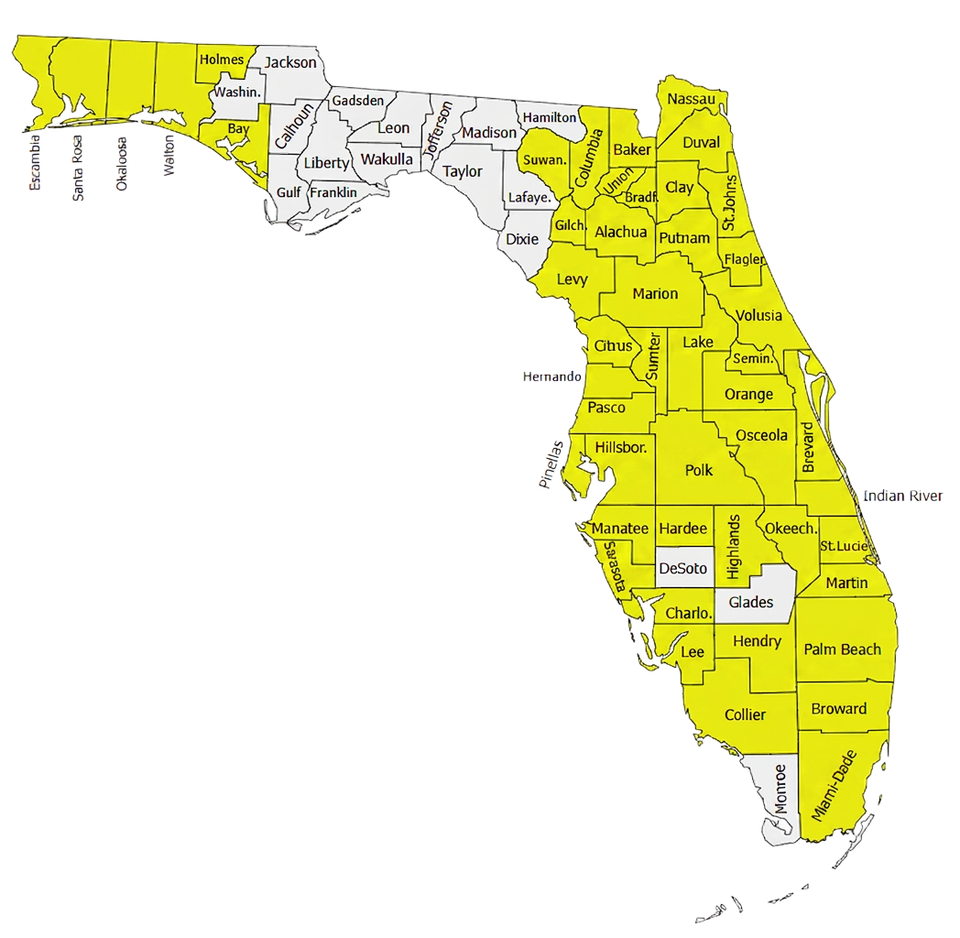
Florida-licensed physical therapists covering 50+ counties in Florida.
Our clinicians reach major metros and rural communities alike — from the Panhandle to the Keys. Patients are typically seen at home or at their workplace within 48 hours of a complete referral.
- Clinicians on our team
- Statewide
- Florida counties covered
- 50+
Need to refer a Florida patient?
Our intake team confirms auto insurance coverage during the call and schedules most patients at home or at their workplace within 48 hours.