
How in-home physical therapy works.
A predictable, six-step process designed around the realities of recovering from a crash — and the continuity-of-care requirements of referring physicians.
Process steps
- 1Day 0
Referral received
Physician, discharge planner, patient, or family submits a referral by online form, phone, or fax. Our intake team confirms receipt the same business day.
- 2Day 0–1
Intake & scheduling
We verify auto insurance coverage, collect the patient's address and availability, and schedule the in-home evaluation with a credentialed clinician in their area.
- 3Typically within 48 hours
First in-home evaluation
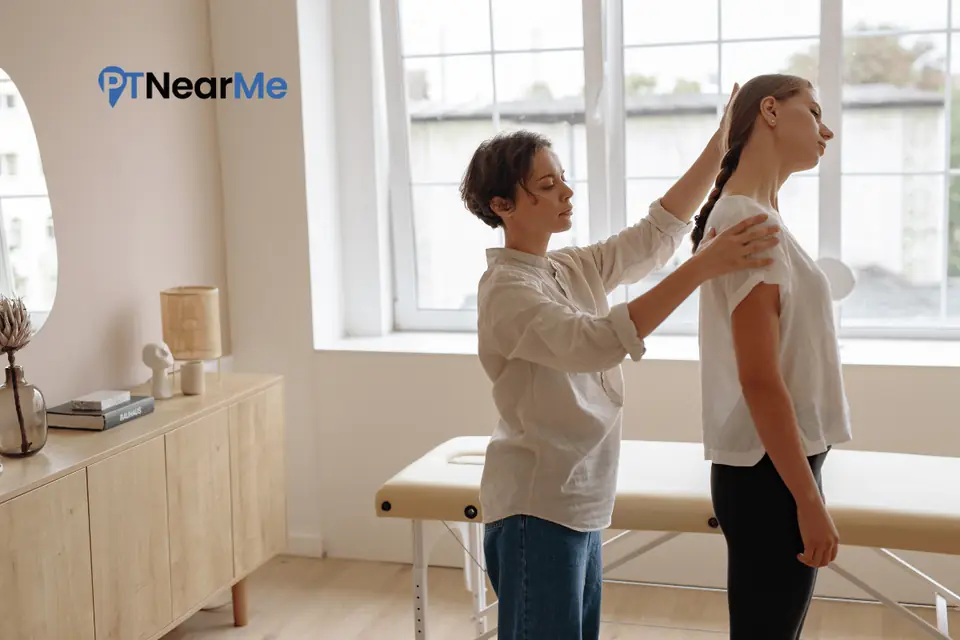
A Florida-licensed physical therapist performs a full evaluation at the patient's home or workplace — whichever is more convenient: history, objective measures, functional assessment, and an individualized plan of care.
- 4Week 1 and beyond
Ongoing treatment & documentation
Skilled in-home treatment per the plan of care. Treatment notes written after every visit; progress reports delivered every 30 to 45 days, or sooner if the clinical picture changes.
- 5Throughout
Coordination with the referring physician
Initial evaluation, progress notes, and any requested updates delivered to the referring physician's office. Records and custodian affidavits available on request.
- 6On goal completion
Discharge
Formal discharge summary documenting final status, home program, and any recommendations for follow-up care. The full chart is available to the referring physician.
What our intake team asks for.
Arranging physical therapy at home after a car accident starts with one short call or form. Having these details ready lets us verify coverage and book the first visit in the same conversation:
- Patient name, phone number, and home address
- Date of the crash and the main symptoms
- Auto insurance carrier and claim number, if it has been opened
- Referring physician or hospital, if there is one
- Days and times someone can be home for the visit
- Anything the clinician should know about access — stairs, gate codes, pets
You do not need a referral to call, and you do not need to drive anywhere. A Florida-licensed physical therapist performs the evaluation in the home and, in most cases, continues as the treating clinician for the episode of care.
Questions patients ask first.
- What happens at the first in-home physical therapy visit — how long it takes and what the clinician measures.
- Getting physical therapy when you can’t drive after an accident — how home visits work when driving isn’t an option.
- Who evaluates you and who provides follow-up treatment — the physical therapist and physical therapist assistant roles.
- What in-home physical therapy costs in Florida — how auto insurance coverage is checked before the first visit.
- Frequently asked questions — scheduling, coverage, and what we do and don’t bill.
Physicians and discharge planners: see information for referring physicians for documentation and reporting details.
What it costs the patient.
We bill the patient’s auto insurance for crash-related care. We do not bill regular health insurance or Medicare. When coverage is in place, most patients owe nothing out of pocket during treatment. If coverage is exhausted before the plan of care is complete, we discuss options with the patient before any further treatment continues.
For a patient-facing overview of auto accident physical therapy, start there. See our PT glossary for plain-language definitions.
Ready to get started?
Most in-home evaluations happen within 48 hours of the referral reaching us. Whether you’re a physician or a patient calling for yourself or a family member, our intake team takes it from there.