
How to Become a Mobile PT or PTA in Florida
A step-by-step guide to becoming a mobile, in-home physical therapist or PTA in Florida — licensure with the Florida Board of Physical Therapy, the credentials you'll need to contract, and how to actually start taking visits.
PT Near Me
Florida-licensed in-home physical therapy team
The path, in plain steps
There's a real path from "I'm interested in mobile work" to "I have a patient on my schedule Tuesday at 9 AM." It's not a mystery, and it doesn't take a year. The biggest variable is licensure timing — once you have an active Florida license, the rest is paperwork and onboarding.
Below is the version of the path most clinicians actually take, with the regulatory and practical pieces in the order they matter.
Step 1 — Florida licensure
Florida regulates physical therapists and physical therapist assistants through the Florida Board of Physical Therapy Practice, under Chapter 486 of the Florida Statutes. The licensing body is the Department of Health.
If you are a PT graduating from a CAPTE-accredited DPT program, you'll typically:
- Apply to the Florida Board of Physical Therapy for licensure by examination (or by endorsement if you already hold an active license in another state).
- Pass the National Physical Therapy Examination (NPTE) for PT.
- Pass the Florida Laws and Rules Examination.
- Receive your Florida license number.
For PTAs the path mirrors that, with the PTA-level NPTE and the same Florida laws and rules exam. Endorsement from another state requires demonstrating equivalent licensure standing and current good standing on your existing license.
Step 2 — The credentialing essentials
An active license is necessary but not sufficient to start contracting. Most practices, including ours, require the following before your first visit:
- Active, unrestricted Florida PT or PTA license.
- National Provider Identifier (NPI) — free, obtained through the CMS NPPES registry.
- Professional liability insurance (HPSO, Proliability, or similar). Most contractor PTs carry an individual policy.
- Government-issued ID and proof of work eligibility.
- CPR/BLS certification (current).
- Clean background check — most platforms run their own.
- Reliable transportation and a valid Florida driver's license with current auto insurance.
Step 3 — Your in-home kit
The good news: the equipment list for an in-home post-MVA orthopedic caseload is short and fits in a small bag. Most clinicians upgrade specific items over time but start with:
- Goniometer set (large + finger).
- Resistance bands (light, medium, heavy) and a couple of band anchors.
- Two to three cuff weights or a small adjustable sandbag.
- Gait belt.
- BP cuff and pulse oximeter.
- Pen light, reflex hammer, tape measure.
- Hand sanitizer, gloves, masks.
- A small portable mat (optional but useful for floor work).
- Your laptop or tablet for documentation.
Total startup cost is modest — most of these are deductible business expenses on your Schedule C in your first tax year as a contractor.
Step 4 — Contract with a Florida practice that holds the billing wrapper
In Florida, in-home physical therapy delivered to auto-injury patients runs through a practice that holds the regulatory wrapper, the auto-insurance billing relationships, and the physician communication structure. PT Near Me provides that wrapper. You bring the clinical skill and the license; we provide:
- Verified, scheduled visits in your geographic radius.
- Auto-insurance billing handled end-to-end — we bill the auto policy directly.
- Documentation templates and a re-eval cadence that meets auto insurer expectations.
- Physician communication on the cadence referring providers want.
- A platform that lets you set availability week by week.
Contracting is a 1099 independent contractor arrangement. See our companion post on how 1099 per-visit pay works for the financial and tax frame.
Step 5 — Your first visits
Once credentialing is complete and your availability is open, you'll start receiving visit assignments in your radius. The first week or two of mobile work is mostly about workflow — getting your route, documentation rhythm, and equipment kit dialed in. By week three most clinicians are running comfortably.
The clinical work, frankly, is the easy part. The post-MVA orthopedic population is familiar to anyone who's done outpatient. The skill that's new is running the day yourself — and that's exactly the skill that translates into the autonomy and quality of life this model is built around.
Ready to start?
Frequently asked questions
- Do I need experience in mobile or home health to start?
- No. Most of our clinicians come from outpatient orthopedic settings. The post-MVA caseload is clinically familiar; the mobile workflow is what's new, and it's straightforward to learn.
- Can I do this part-time while keeping a clinic job?
- Yes. Many of our clinicians start PRN — opening a few days a week around an existing W-2 schedule — and scale up as they're ready.
- How long does Florida licensure take?
- It varies. Endorsement from another state can move quickly once paperwork is complete; new graduates depend on NPTE scheduling and Board processing. Plan months, not weeks, for licensure itself if you're starting from scratch.
- Do I need an LLC before I start contracting?
- Not required. Many contractor PTs begin as sole proprietors and form an LLC later. Talk to a CPA.
- What about Medicare or regular health insurance or Medicare?
- PT Near Me's auto-injury caseload is billed through the patient's auto insurance policy — not Medicare or commercial health plans. You do not need to be enrolled with those payors to contract with us.
Related articles
What It's Like to Be a Mobile PT with PT Near Me
A realistic day-in-the-life of a Florida mobile physical therapist: 4–6 in-home visits, one-on-one care, post-MVA caseload, no productivity quotas, and the autonomy to actually treat.
PT Near Me · June 20, 2026
How 1099 Per-Visit Pay Works for In-Home Physical Therapists
1099 per-visit pay means you're paid for completed visits as an independent contractor — not for hours, not for productivity dashboards. Here's how it actually works for in-home PTs, including the tax and flexibility tradeoffs to understand before you sign.
PT Near Me · June 22, 2026
PT vs. PTA on an In-Home Auto-Injury Team: How the Roles Work Together
The PT writes the eval and plan of care; the PTA delivers ongoing treatment under that plan. In a mobile auto-injury setting, the partnership is closer and more efficient than most clinic models — here's how it actually works.
PT Near Me · June 21, 2026
In your city
Conditions we treat across Florida
Each guide below covers the clinical evidence, recovery timelines, and coverage details specific to these conditions.
Don’t see your city? View all Florida service areas.
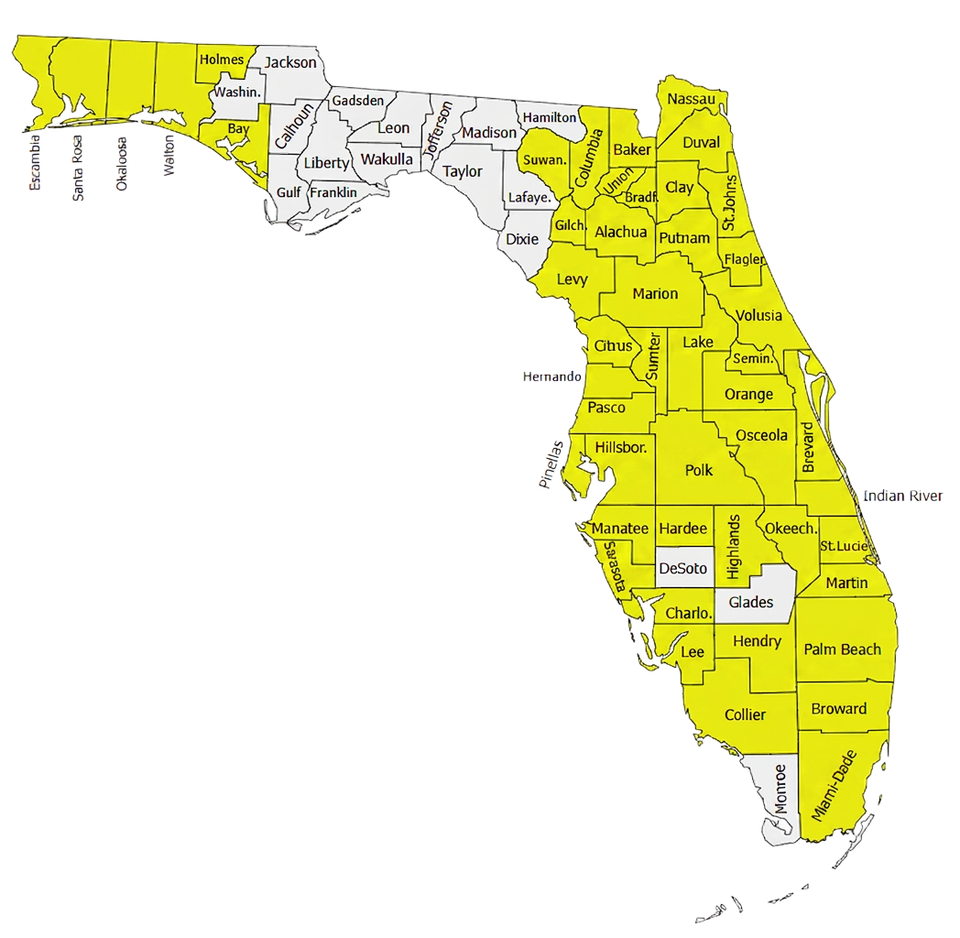
Florida-licensed physical therapists covering 50+ counties in Florida.
Our clinicians reach major metros and rural communities alike — from the Panhandle to the Keys. Patients are typically seen at home or at their workplace within 48 hours of a complete referral.
- Clinicians on our team
- Statewide
- Florida counties covered
- 50+
Need to refer a Florida patient?
Our intake team confirms auto insurance coverage during the call and schedules most patients at home or at their workplace within 48 hours.