
How Long Does Physical Therapy Take After a Car Accident?
There's no single answer — crash-related physical therapy lasts as long as your plan of care does. Here's how the plan is built, re-checked, and eventually closed out.
PT Near Me
Florida-licensed in-home physical therapy team
The short answer
There's no single number that applies to every crash injury, so the honest answer is this: physical therapy after a car accident lasts as long as your plan of care does. A plan of care is built around your specific injury, your goals, and how your body responds — and it's re-checked regularly, not guessed at on day one.
What patients usually want to know isn't an exact number of weeks. It's whether they'll be in treatment forever, whether it will end before they've recovered, and who decides. This article walks through how a plan of care is built, how progress is measured, and what actually ends treatment.
What a plan of care actually is
Your first physical therapy visit is an evaluation, not a treatment marathon. The therapist examines how you move, tests strength and range of motion, and identifies what's limiting you. From that, they write a plan of care: the problems they're treating, measurable goals, the interventions they'll use, and how often they expect to see you.
- Goals are measurable. Not "feel better" — things like returning to a specific activity, reaching a range-of-motion target, or walking a defined distance without symptoms.
- The plan is written, not verbal. It goes in your record and is shared with your referring physician, so everyone is working from the same document.
- It's a starting point, not a promise. A good plan changes as you respond to treatment — and the formal re-evaluations are where those changes happen.
How progress gets re-checked
Formal re-evaluations are typically required at set intervals — often every 30 days or after a defined number of visits, whichever comes first — though informal progression decisions happen at every visit. At a re-evaluation, the therapist re-tests the same measurements from the first visit and compares them.
- If you're progressing on schedule, the plan advances: exercises get harder, manual therapy tapers, and the goals move closer to discharge.
- If you're progressing slowly, the therapist documents why, adjusts the plan, and — when an insurance case is involved — the updated documentation supports continued care.
- If you're not improving at all, that's a finding too. It may mean the referral needs a second look, or that your care should be coordinated with another provider.
What makes recovery faster — or slower
Two people with similar crash injuries can move at very different speeds. Some of that is the injury itself. But a few factors are within your control:
- Starting care promptly. Florida's 14-day rule — covered in detail in how soon you should start PT after a Florida crash — makes the timing of your first medical visit matter for your care, and waiting generally doesn't help recovery either.
- Doing the home exercise program. The hours between visits are where most of the repetition happens. Patients who work their home program consistently typically progress faster than those who only move during visits.
- Getting to your visits. If pain, medication, or a wrecked car makes clinic visits hard, missed appointments stretch the timeline. In-home physical therapy exists partly to solve this — the therapist comes to you, so the plan keeps its pace.
- Telling your therapist the truth. If something hurts more than expected, or a symptom is new, say so. That information changes the plan in ways that speed recovery rather than slow it.
How treatment actually ends
Physical therapy ends at discharge, and discharge happens when your goals are met — not when a calendar page turns. At discharge you receive a written summary documenting where you started, where you ended, which goals were met, and any remaining recommendations, including your final home exercise program. A copy goes to the referring physician.
If your auto-insurance coverage runs out mid-treatment, your provider should notify you and your physician and explain the options before anything changes — that's how PT Near Me handles it, and it's a fair question to ask any practice you're considering.
Frequently asked questions
- How long does physical therapy last after a car accident?
- It lasts as long as your plan of care does. The plan is built around your specific injury and goals, re-checked at formal re-evaluations, and closed out at discharge when your goals are met — not on a fixed schedule.
- Who decides when physical therapy is done?
- Your physical therapist, using the measurable goals in your plan of care and the results of your re-evaluations. Discharge is documented in a written summary that also goes to your referring physician.
- What is a re-evaluation and how often does it happen?
- A re-evaluation is a formal re-test of the measurements from your first visit. It's typically required at set intervals — often every 30 days or after a defined number of visits — though your therapist adjusts your program at every visit.
- What if my recovery is going slower than expected?
- Say so at your next visit. The therapist can adjust the plan, coordinate with your referring physician, and document what's happening. Slow progress is a reason to change the plan, not to stop care.
- What happens if my auto-insurance coverage runs out mid-treatment?
- Your provider should notify you and your referring physician and explain your options before anything changes. PT Near Me discusses the path forward before continuing care.
Related articles
- Recovering After a Crash
How Soon Should You Start PT After a Car Accident in Florida?
In Florida, the practical answer is within 14 days — both because Florida law requires initial care in that window and because the clinical evidence strongly favors early intervention for soft-tissue and cervical-spine injuries.
PT Near Me · May 2, 2026
- Recovering After a Crash
Do You Need Physical Therapy After a Car Accident?
You don't have to feel badly hurt to need an evaluation after a crash. Here's how to tell whether physical therapy makes sense — and why deciding is easier than guessing.
PT Near Me · October 14, 2026
- Recovering After a Crash
Whiplash After a Florida Car Accident: What to Expect in Recovery
Most whiplash recovers within 6 to 12 weeks with early, active physical therapy. A smaller share develops persistent symptoms past three months. Here's what whiplash actually is, what the realistic timeline looks like, and how PT should approach it after a crash in Florida.
PT Near Me · June 21, 2026
In your city
Conditions we treat across Florida
Each guide below covers the clinical evidence, recovery timelines, and coverage details specific to these conditions.
Don’t see your city? View all Florida service areas.
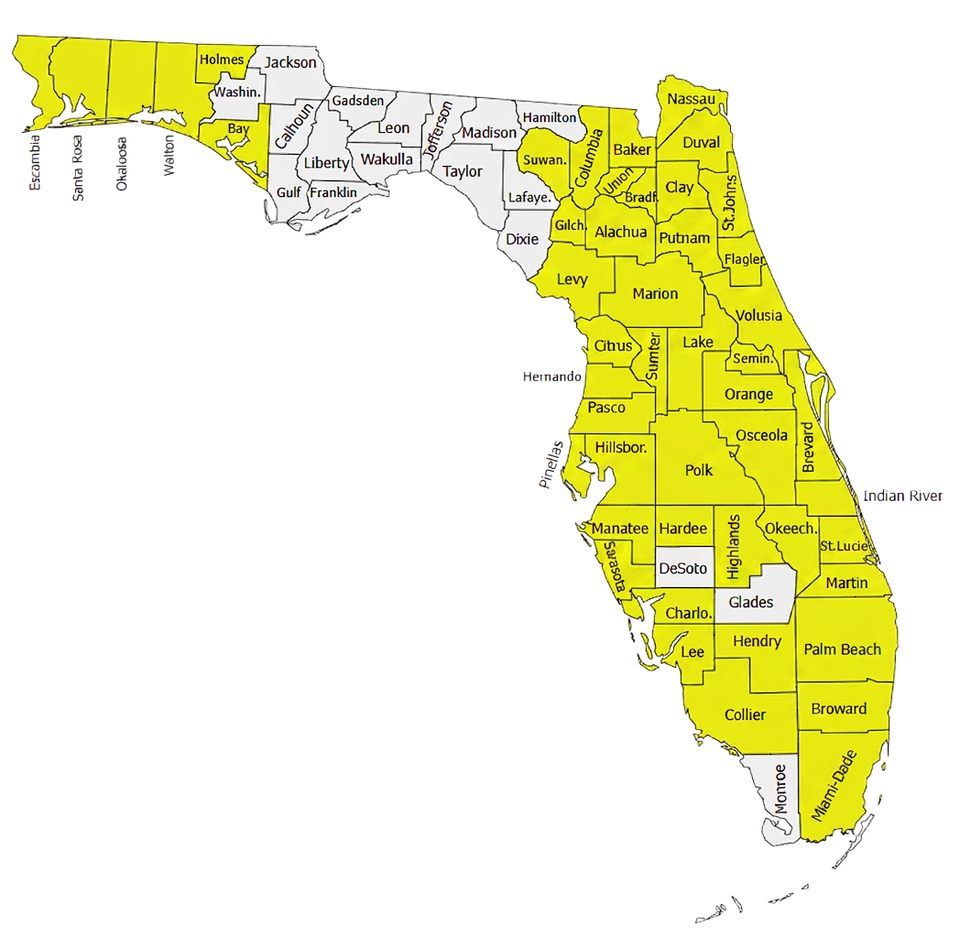
Florida-licensed physical therapists covering 50+ counties in Florida.
Our clinicians reach major metros and rural communities alike — from the Panhandle to the Keys. Patients are typically seen at home or at their workplace within 48 hours of a complete referral.
- Clinicians on our team
- Statewide
- Florida counties covered
- 50+
Need to refer a Florida patient?
Our intake team confirms auto insurance coverage during the call and schedules most patients at home or at their workplace within 48 hours.