
Do You Need Physical Therapy After a Car Accident?
You don't have to feel badly hurt to need an evaluation after a crash. Here's how to tell whether physical therapy makes sense — and why deciding is easier than guessing.
PT Near Me
Florida-licensed in-home physical therapy team
The short answer
If you were in a car accident and you're wondering whether you need physical therapy, the practical answer is: get evaluated first, and let the evaluation answer the question. You don't have to diagnose yourself, and you don't have to commit to a treatment plan to find out whether one makes sense.
That said, there are patterns worth knowing — signs that point toward an evaluation, and some context about why the decision matters more after a crash than after, say, a sports strain.
Signs that point toward an evaluation
None of these require an ambulance-level emergency. They're the ordinary reasons patients who were in a crash end up in physical therapy:
- Neck pain or stiffness that showed up during or after the crash — a common presentation after rear-end and side-impact collisions.
- Back pain, whether it started immediately or crept in over the following days.
- Headaches that are new for you, or different from headaches you've had before.
- Numbness, tingling, or weakness in an arm, hand, leg, or foot — worth taking seriously whenever it follows a crash.
- Pain that limits what you normally do — turning your head in traffic, lifting, sleeping on one side, sitting through a workday.
- Anything that gets worse instead of better in the days after the crash.
Each of these is covered in more depth in the resource library — see the related guides linked at the bottom of this page.
Why "I feel mostly fine" isn't a final answer
It's common to walk away from a crash feeling shaken but essentially fine, and then feel noticeably worse two or three days later. Soft-tissue injuries and joint irritation often present this way — inflammation builds over hours and days, not minutes. Some symptoms, like certain types of headache or nerve-related tingling, also show up on a delay.
This is one more reason the "do I need PT?" question is better answered by an evaluation than by how you feel on day one. If symptoms arrive late, they're still treatable — delayed symptoms after a car accident explains what's normal and what deserves a prompt look.
Why the evaluation itself matters — even if you feel okay
A physical therapy evaluation is an examination, not a treatment commitment. The therapist tests how you move, checks strength and range of motion, screens for findings that need a physician's attention, and tells you what they found. Sometimes the finding is "nothing here needs PT right now" — which is a useful answer.
For Florida crash patients, there's also a timing rule: care connected to a motor vehicle accident generally requires being seen by a qualifying medical provider within 14 days of the crash. An evaluation inside that window counts. How soon should you start PT after a Florida crash covers the details.
- An evaluation creates a baseline. If symptoms develop later, there's a documented starting point instead of a story.
- It's fast and low-cost to you. For crash patients with active auto-insurance coverage, the first evaluation is typically a covered visit — PT Near Me verifies coverage before scheduling.
- It produces documentation. The findings go in a written record your physician can use, whatever the next step turns out to be.
What the evaluation actually involves
In an in-home setting, the therapist brings the equipment to you. Expect a conversation about the crash and your symptoms, hands-on testing of how the affected areas move and feel, screening questions that rule out anything needing a physician first, and — at the end — a plain-language explanation of what was found.
If treatment is recommended, you'll get a plan of care with measurable goals, and the therapist will explain what it involves before anything starts. What to expect at your first in-home PT visit walks through the whole visit step by step.
Frequently asked questions
- Do I need physical therapy after a car accident if I feel fine?
- Possibly not — but you can't reliably tell on day one, because many crash injuries show up on a delay. An evaluation answers the question directly and creates a documented baseline if symptoms develop later.
- How do I know if my symptoms are from the crash?
- You don't have to figure that out yourself. An evaluation compares what your body can do now against what's normal for you and screens for findings that need a physician. New neck or back pain, headaches, or tingling after a crash are all reasons to be seen.
- Is an evaluation the same as committing to treatment?
- No. An evaluation is an assessment. Sometimes the answer is that physical therapy isn't needed right now — which is still worth knowing.
- What is Florida's 14-day rule?
- Care connected to a motor vehicle accident in Florida generally requires being seen by a qualifying medical provider within 14 days of the crash. An evaluation inside that window counts.
- Can physical therapy come to my home for an evaluation?
- Yes. PT Near Me provides in-home physical therapy across Florida, so the evaluation happens where you are — useful when pain, medication, or a damaged vehicle makes travel difficult.
Related articles
- Recovering After a Crash
Symptoms That Show Up Days or Weeks After a Car Accident
It is normal for crash symptoms to appear a day, a week, or even a few weeks later, because adrenaline masks pain and inflammation builds over time. Neck and back stiffness, headaches, numbness, and dizziness are the most common late arrivals, and all of them are worth an in-person exam.
PT Near Me · August 26, 2026
- Recovering After a Crash
How Soon Should You Start PT After a Car Accident in Florida?
In Florida, the practical answer is within 14 days — both because Florida law requires initial care in that window and because the clinical evidence strongly favors early intervention for soft-tissue and cervical-spine injuries.
PT Near Me · May 2, 2026
- Recovering After a Crash
Signs You Shouldn't Wait to Start PT After a Car Accident
Pain, stiffness, headaches, nerve symptoms, and trouble with daily tasks can all be signs that it is time to start physical therapy after a car accident instead of waiting it out.
PT Near Me · September 22, 2026
In your city
Conditions we treat across Florida
Each guide below covers the clinical evidence, recovery timelines, and coverage details specific to these conditions.
Don’t see your city? View all Florida service areas.
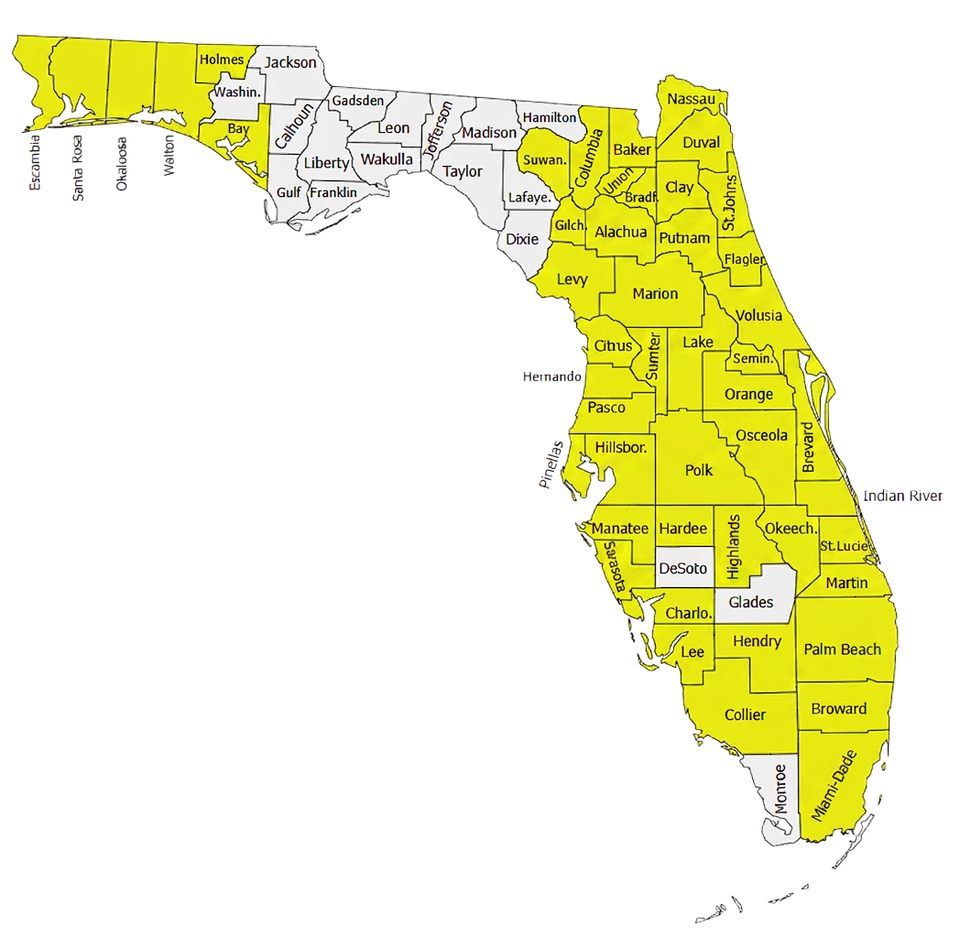
Florida-licensed physical therapists covering 50+ counties in Florida.
Our clinicians reach major metros and rural communities alike — from the Panhandle to the Keys. Patients are typically seen at home or at their workplace within 48 hours of a complete referral.
- Clinicians on our team
- Statewide
- Florida counties covered
- 50+
Need to refer a Florida patient?
Our intake team confirms auto insurance coverage during the call and schedules most patients at home or at their workplace within 48 hours.