
Headaches After a Car Accident: Causes, Red Flags, and Treatment
Most headaches after a car accident come from the neck joints and muscles or from a concussion, and the two often overlap. A headache that keeps getting worse, or comes with vomiting, confusion, or weakness, needs same-day medical care.
PT Near Me
Florida-licensed in-home physical therapy team
Where crash headaches come from
Headache is one of the most common symptoms after a crash, and it has more than one cause. Sorting out which one you have matters, because the treatment is different.
| Type | How it usually feels | Other clues |
|---|---|---|
| Cervicogenic (from the neck) | Starts at the base of the skull, spreads to the temple or behind the eye, usually one side | Worse with neck movement or long sitting; neck is stiff and tender |
| Muscle tension | Band-like tightness across the head | Sore neck and shoulder muscles, jaw clenching, poor sleep |
| Concussion | Pressure or dull ache, worse with screens and busy places | Fogginess, light or noise sensitivity, slowed thinking, dizziness |
| Migraine set off by the crash | Throbbing, nausea, light sensitivity | Often a personal or family history of migraine |
| Jaw related | Pain near the temple, clicking or aching jaw | Worse with chewing or wide opening |
Why the headache may start later
Neck-driven headaches usually follow the neck. As neck stiffness and muscle guarding build over the first two or three days, the headache builds with them. Concussion symptoms can also worsen in the first week, especially once you go back to screens, driving, work, or school.
Any headache that appears days later is worth reporting to a clinician, even if it seems mild. It is far easier to treat a neck-driven headache early than after months of guarding.
Red flags that need care right now
- A headache that steadily worsens instead of easing
- Repeated vomiting, increasing drowsiness, or confusion
- The worst headache of your life, or a sudden thunderclap headache
- Weakness or numbness in an arm or leg, or facial drooping
- Slurred speech, double vision, or a seizure
- Neck stiffness with fever
- You take blood thinners and hit your head
Any of these belong in an emergency department, not a rehabilitation clinic.
What physical therapy does for it
For neck-driven and tension-type headaches, treatment goes after the source. A therapist examines the upper neck joints, tests whether pressure on specific segments reproduces your headache, checks deep neck strength, and looks at how your posture and breathing load the area.
- Hands-on work on the upper cervical joints and the muscles that refer pain into the head
- Deep neck flexor and shoulder-blade retraining, which is often the difference between short and long recovery
- Position and workstation changes so the neck is not held at end range all day
- Graded return to screens, driving, and exercise using symptom limits rather than fixed rules
- Balance and visual-motor work when dizziness is part of the picture
If concussion is suspected, care is coordinated with a physician. Current practice favors a short period of relative rest followed by a gradual, monitored return to activity rather than extended isolation in a dark room. Improvement is common but not guaranteed, and the plan should change if symptoms are not moving.
What an in-home visit looks like
Being seen at home is a real advantage when bright lights, busy waiting rooms, and driving all make your head worse. The therapist comes to you, examines the neck and, when relevant, screens balance and eye movement in a quiet space. You get treatment the same visit and a short plan for the days between.
Frequently asked questions
- Why do I have headaches after a car accident?
- The most common reasons are irritated joints and muscles in the neck, tension from muscle guarding, and concussion. These frequently overlap, which is why an in-person exam is used to sort them out.
- How long do headaches after a crash last?
- Many improve over several weeks once the neck is treated and activity is reintroduced gradually. Some last longer, especially when concussion is involved. No timeline can be promised.
- How do I know if it is a concussion or my neck?
- Neck-driven headaches usually start at the base of the skull and change with neck position. Concussion headaches more often come with fogginess, light and noise sensitivity, and difficulty concentrating. Both can be present at once.
- Should I stay in a dark room?
- Only briefly. Current concussion guidance favors a short period of relative rest followed by a gradual, monitored return to normal activity, guided by the clinician who evaluated you.
- When is a headache after a crash an emergency?
- Seek immediate care for a worsening headache, repeated vomiting, confusion or drowsiness, the worst headache of your life, weakness, numbness, slurred speech, vision changes, or a seizure.
Related articles
- Recovering After a Crash
Neck Pain After a Car Accident: How Long It Lasts and What Helps
Most neck pain after a car accident is a strain of the muscles, joints, and ligaments of the neck, and for many people it settles down over a few weeks. Gentle movement, guided exercise, and an in-person exam early on are what tend to help most.
PT Near Me · August 26, 2026
- Recovering After a Crash
Symptoms That Show Up Days or Weeks After a Car Accident
It is normal for crash symptoms to appear a day, a week, or even a few weeks later, because adrenaline masks pain and inflammation builds over time. Neck and back stiffness, headaches, numbness, and dizziness are the most common late arrivals, and all of them are worth an in-person exam.
PT Near Me · August 26, 2026
- Recovering After a Crash
Numbness and Tingling After a Car Accident: What It Means
Numbness or tingling after a crash usually means a nerve is irritated somewhere along its path — most often at a nerve root in the neck or low back, or where the nerve passes through tight tissue. Numbness with weakness, or numbness in both limbs, needs prompt medical evaluation.
PT Near Me · August 26, 2026
In your city
Conditions we treat across Florida
Each guide below covers the clinical evidence, recovery timelines, and coverage details specific to these conditions.
Don’t see your city? View all Florida service areas.
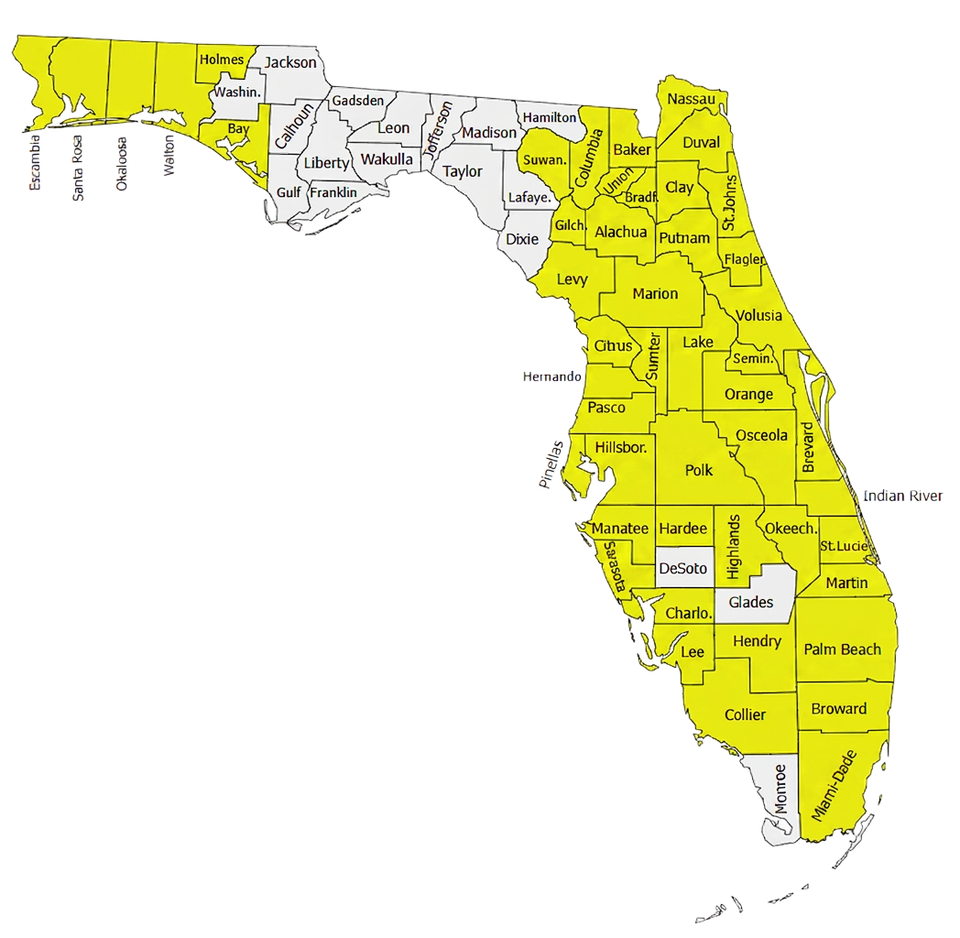
Florida-licensed physical therapists covering 50+ counties in Florida.
Our clinicians reach major metros and rural communities alike — from the Panhandle to the Keys. Patients are typically seen at home or at their workplace within 48 hours of a complete referral.
- Clinicians on our team
- Statewide
- Florida counties covered
- 50+
Need to refer a Florida patient?
Our intake team confirms auto insurance coverage during the call and schedules most patients at home or at their workplace within 48 hours.