
Statewide Florida coverage
Florida Service Areas
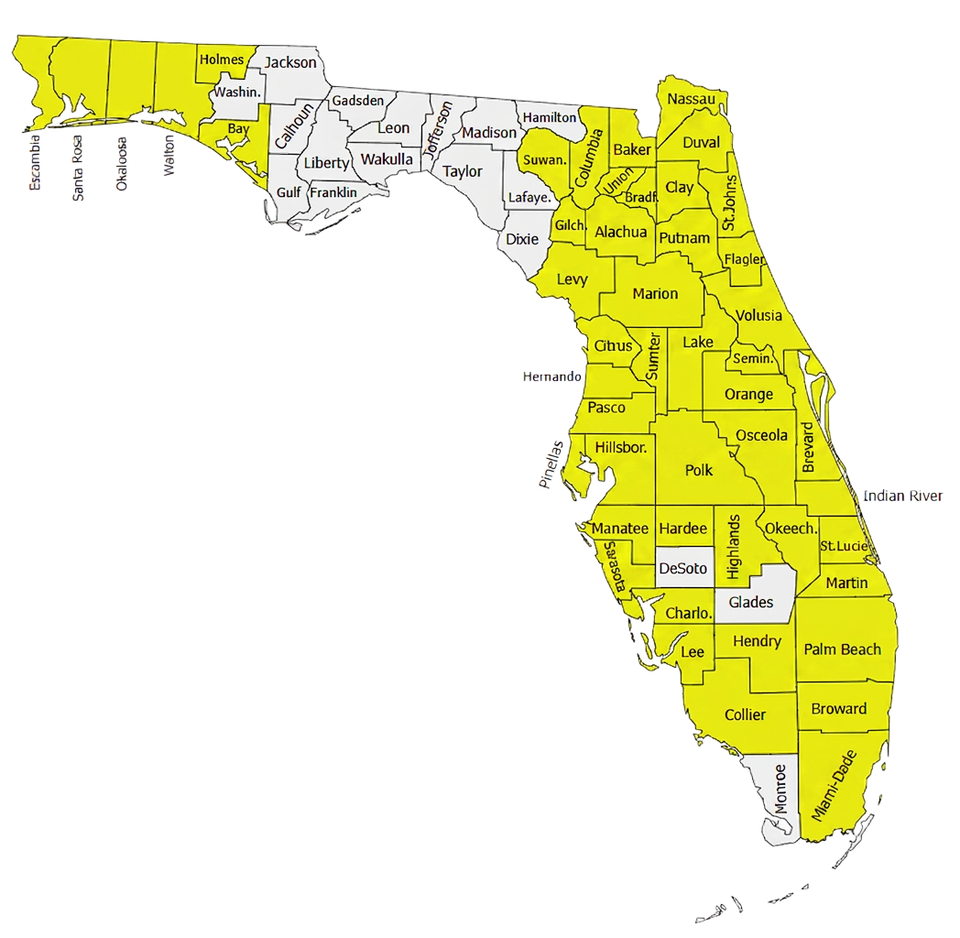
PT Near Me delivers in-home physical therapy to auto-accident and personal-injury patients across 50+ Florida counties. Our clinicians — Florida-licensed physical therapists — cover every major Florida metro and the surrounding suburbs, so patients can recover at home no matter which corner of the state they live in.
Browse the cities we cover below. If the patient’s city isn’t listed yet, call (813) 308-9809 — our intake team will confirm a clinician is available in that ZIP code, usually within minutes.
Explore our Florida coverage area
The coverage map below shows the Florida cities and metros our clinicians reach across 50+ Florida counties. Patients are typically seen at home or at their workplace within 48 hours of a complete referral.
Tampa Bay
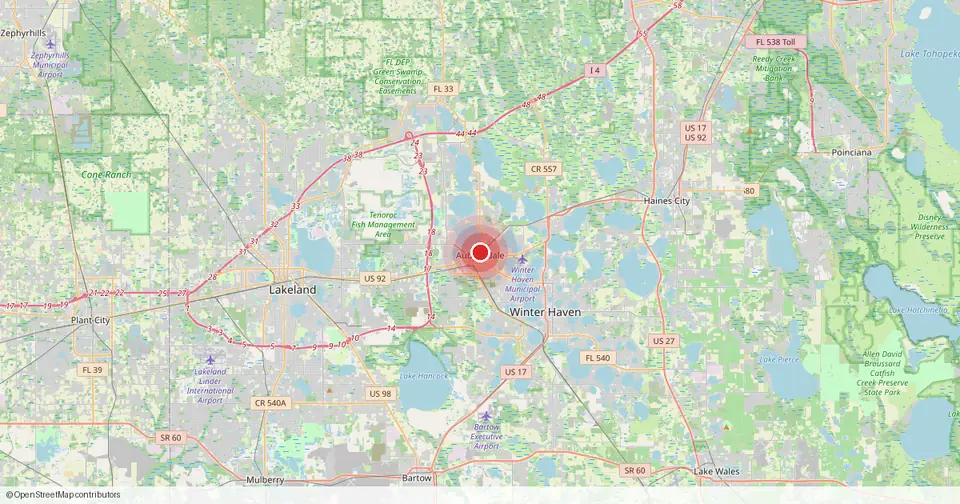
Auburndale, FL — Polk County
In-home PT for post-accident patients
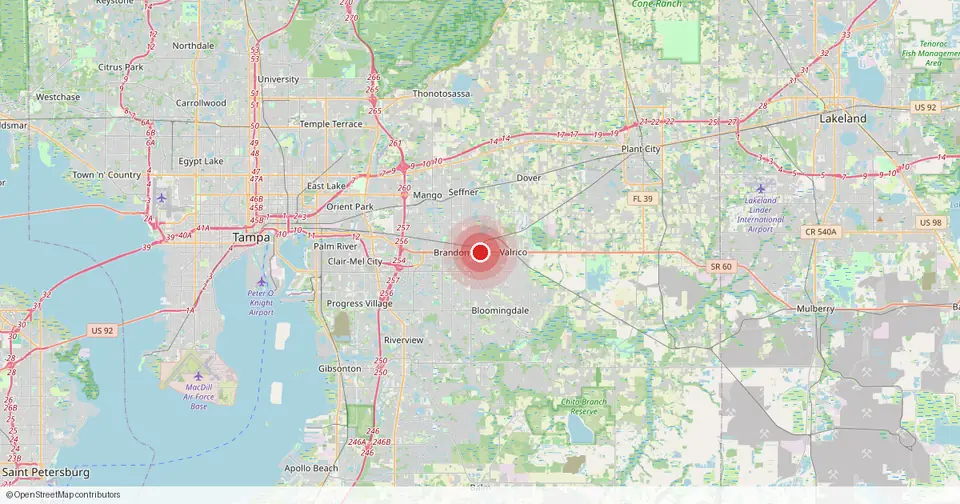
Brandon, FL — Hillsborough County
In-home PT for post-accident patients
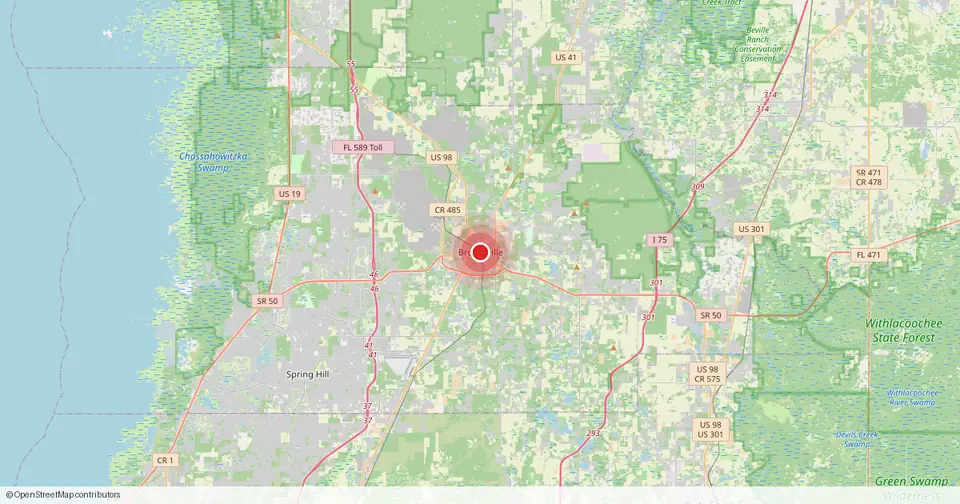
Brooksville, FL — Hernando County
In-home PT for post-accident patients
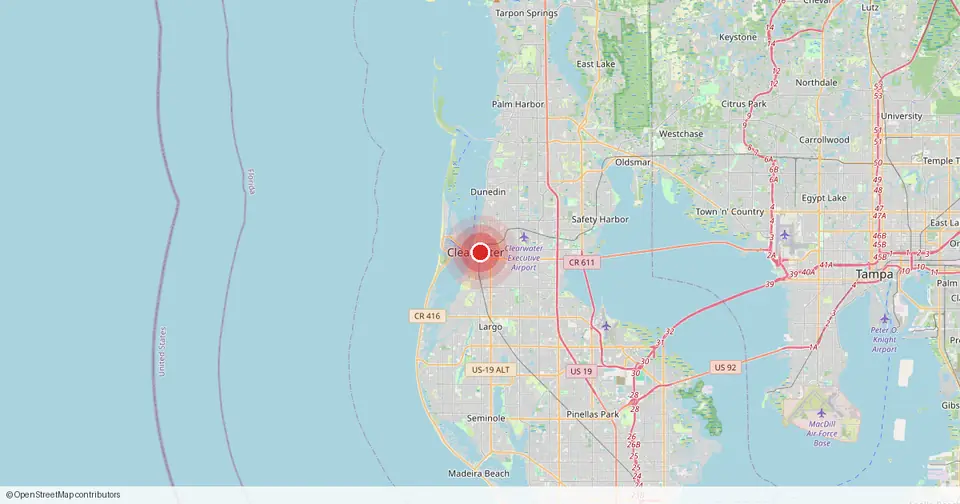
Clearwater, FL — Pinellas County
In-home PT for post-accident patients
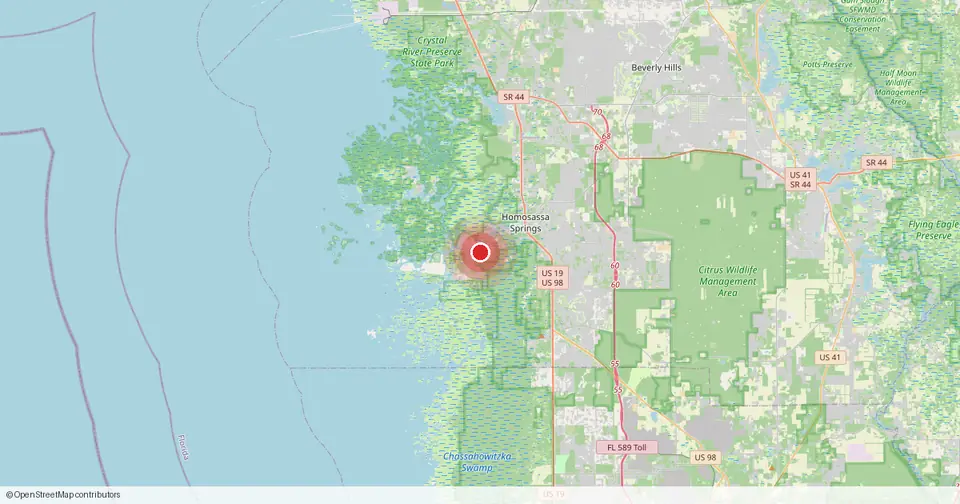
Homosassa, FL — Citrus County
In-home PT for post-accident patients
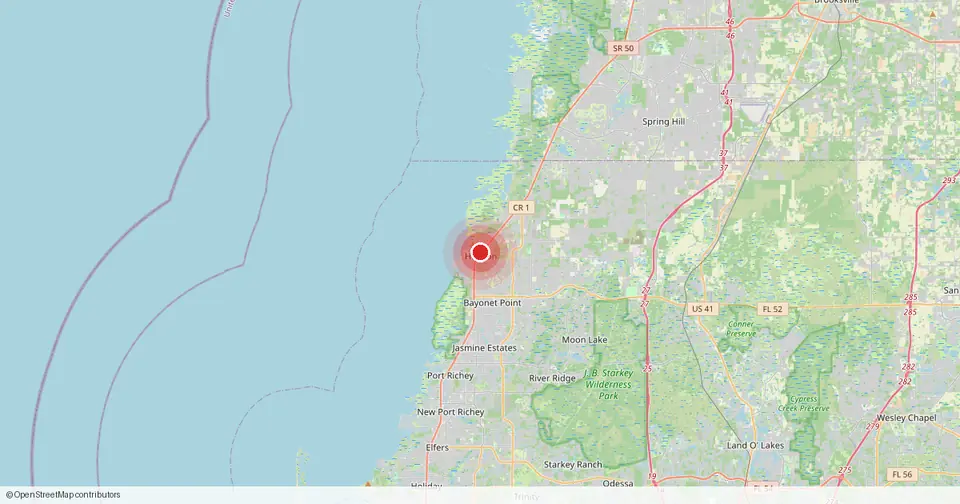
Hudson, FL — Pasco County
In-home PT for post-accident patients
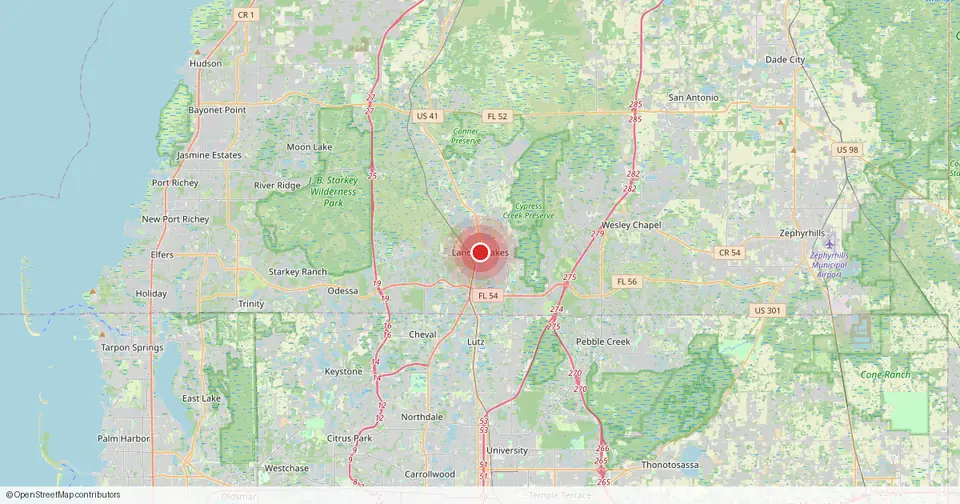
Land O' Lakes, FL — Pasco County
In-home PT for post-accident patients
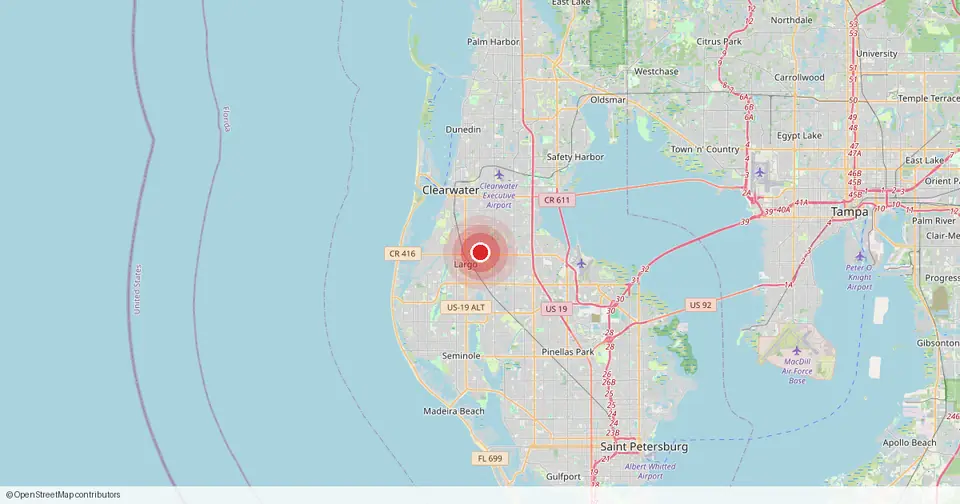
Largo, FL — Pinellas County
In-home PT for post-accident patients
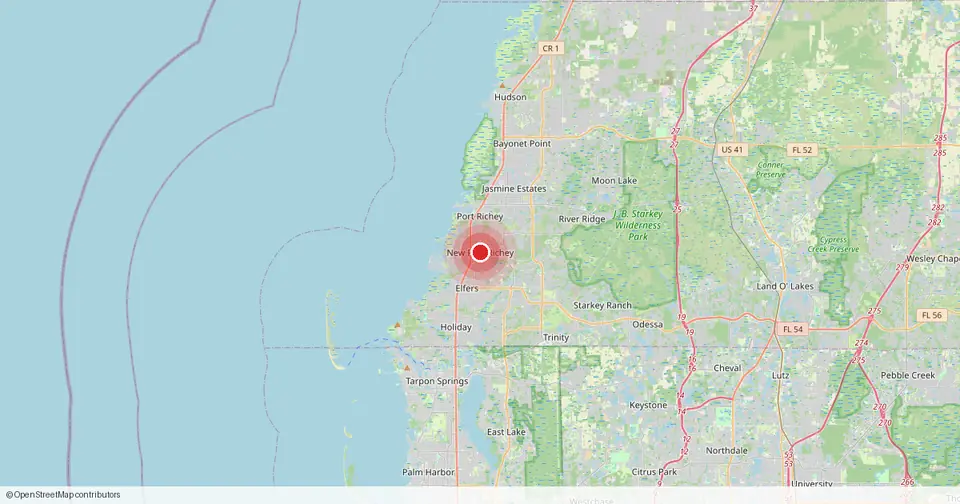
New Port Richey, FL — Pasco County
In-home PT for post-accident patients
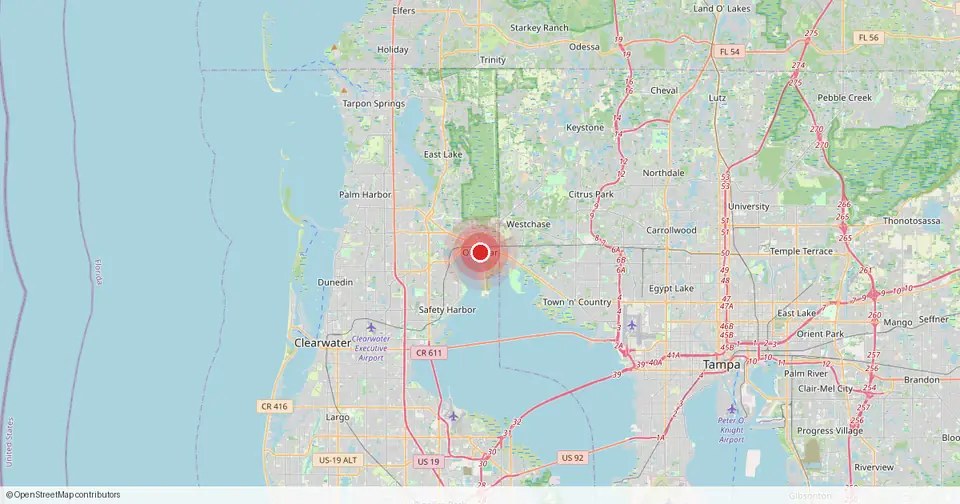
Oldsmar, FL — Pinellas County
In-home PT for post-accident patients
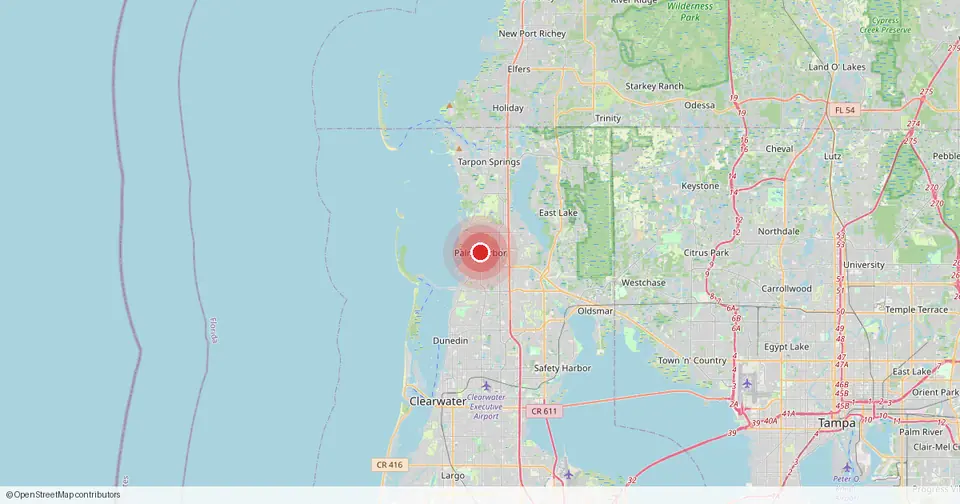
Palm Harbor, FL — Pinellas County
In-home PT for post-accident patients
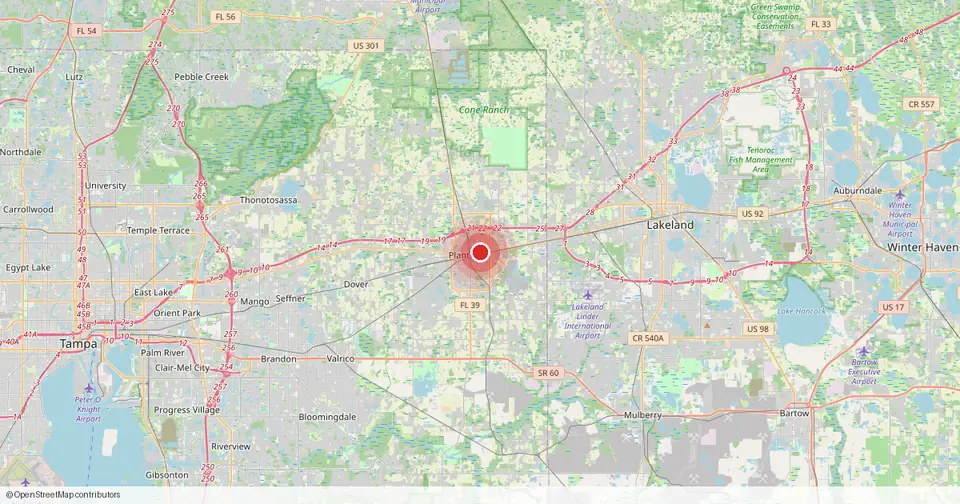
Plant City, FL — Hillsborough County
In-home PT for post-accident patients
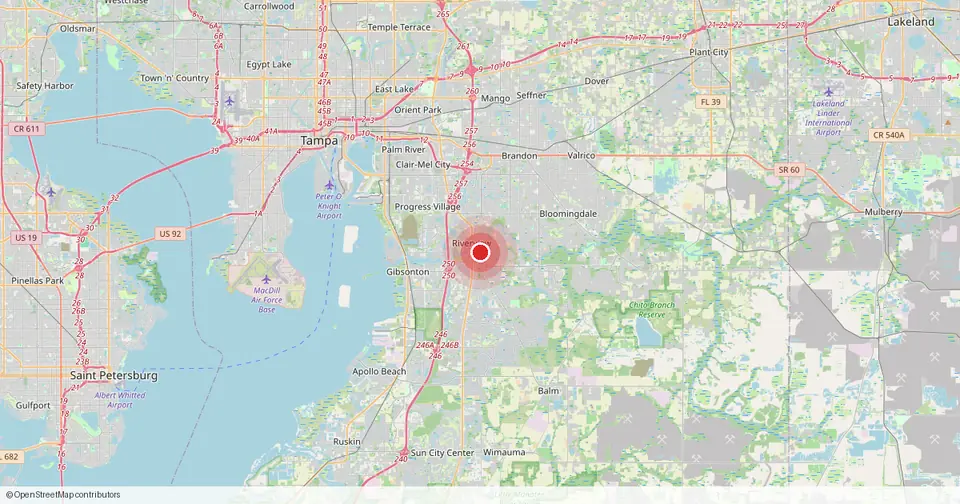
Riverview, FL — Hillsborough County
In-home PT for post-accident patients
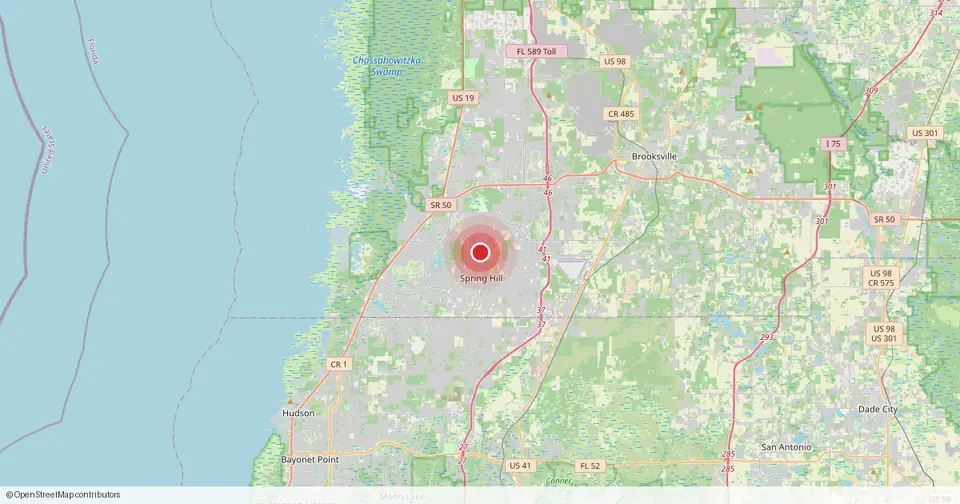
Spring Hill, FL — Hernando County
In-home PT for post-accident patients
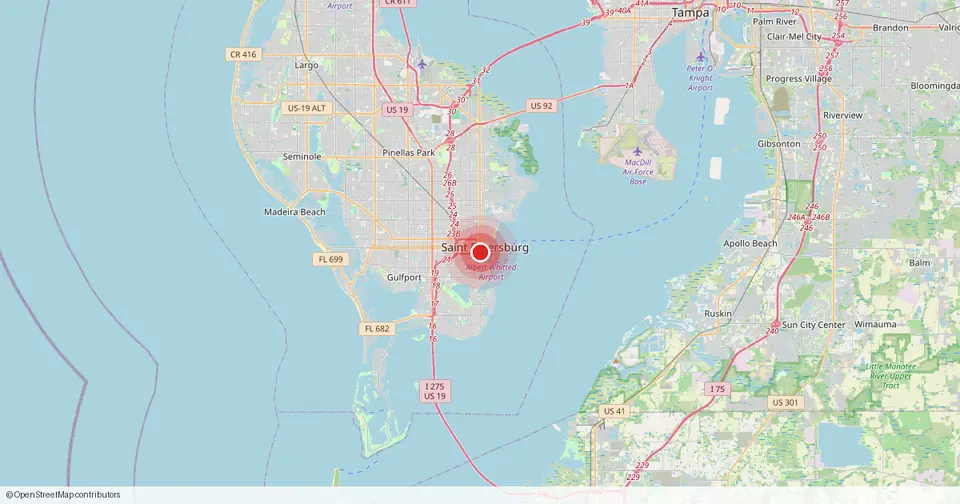
St. Petersburg, FL — Pinellas County
In-home PT for post-accident patients
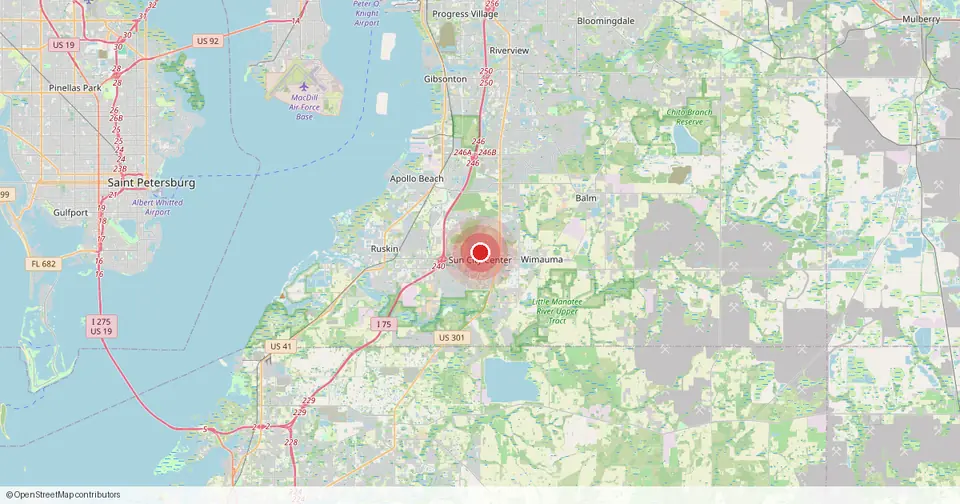
Sun City Center, FL — Hillsborough County
In-home PT for post-accident patients
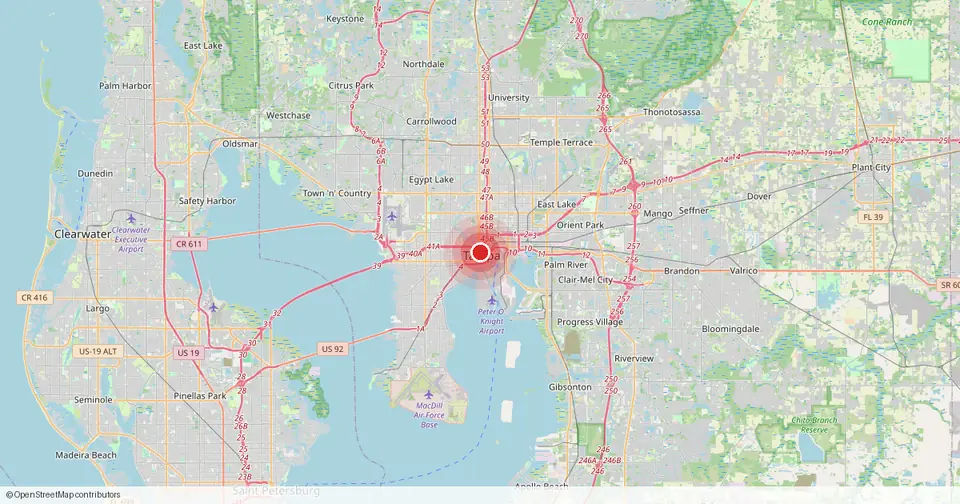
Tampa, FL — Hillsborough County
In-home PT for post-accident patients
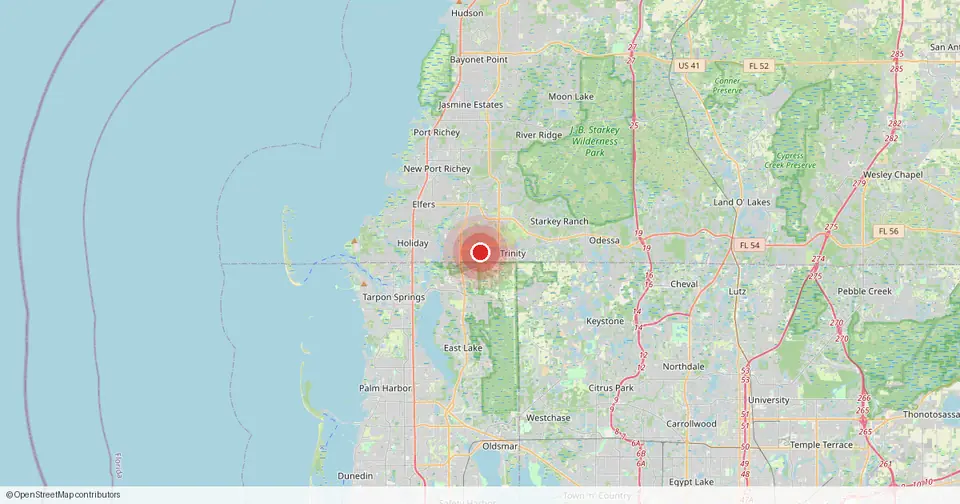
Trinity, FL — Pasco County
In-home PT for post-accident patients
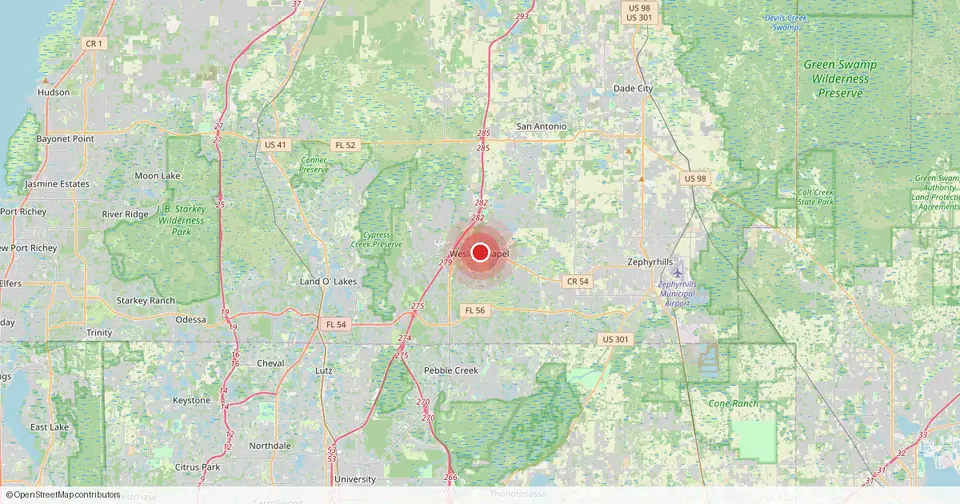
Wesley Chapel, FL — Pasco County
In-home PT for post-accident patients
Central Florida
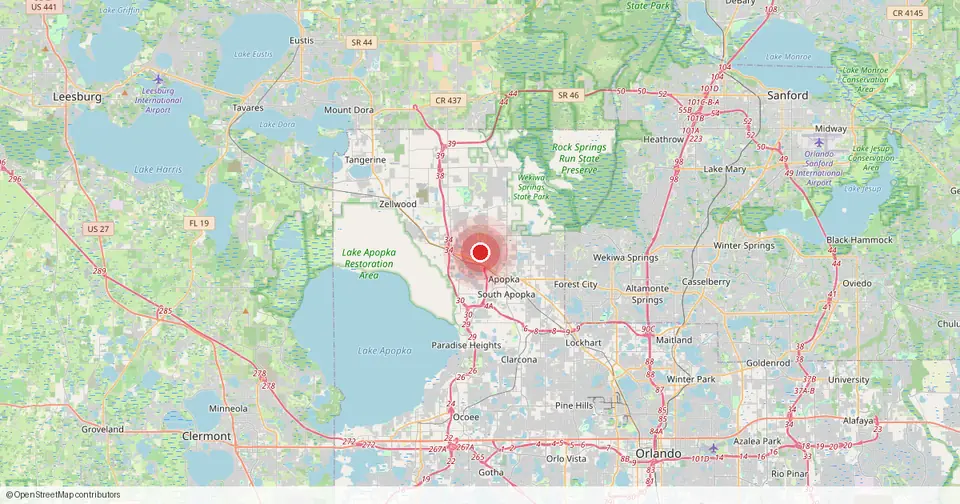
Apopka, FL — Orange County
In-home PT for post-accident patients
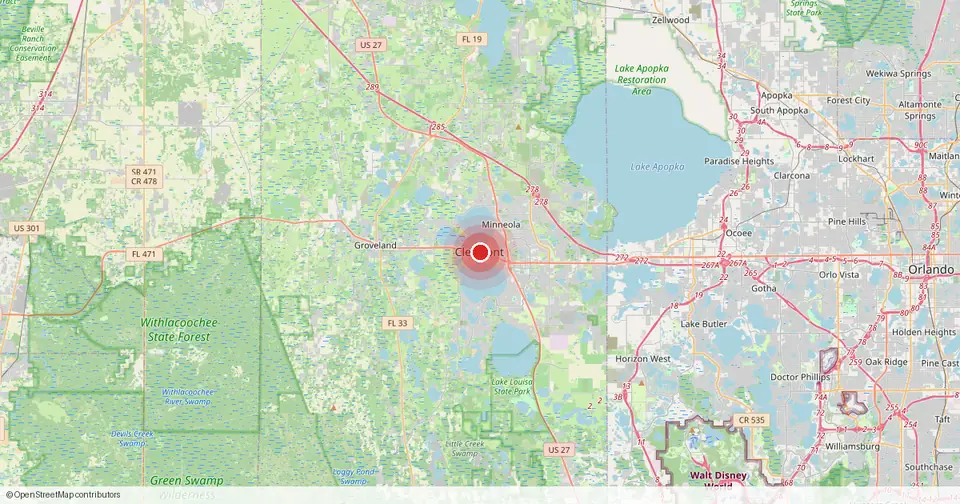
Clermont, FL — Lake County
In-home PT for post-accident patients
Cocoa, FL — Brevard County
In-home PT for post-accident patients
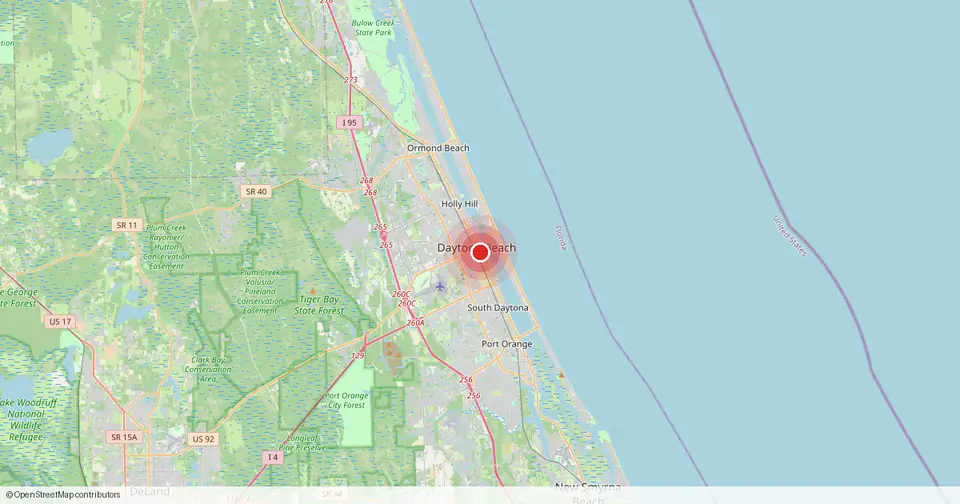
Daytona Beach, FL — Volusia County
In-home PT for post-accident patients
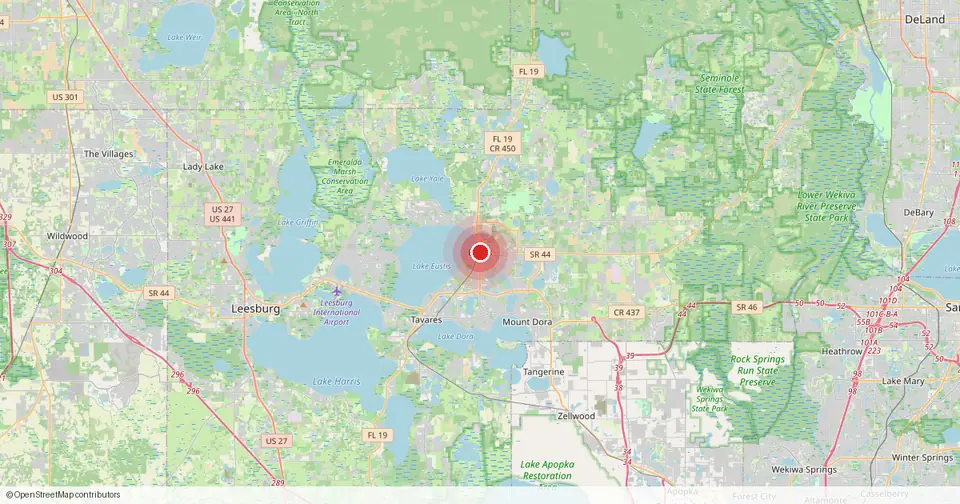
Eustis, FL — Lake County
In-home PT for post-accident patients
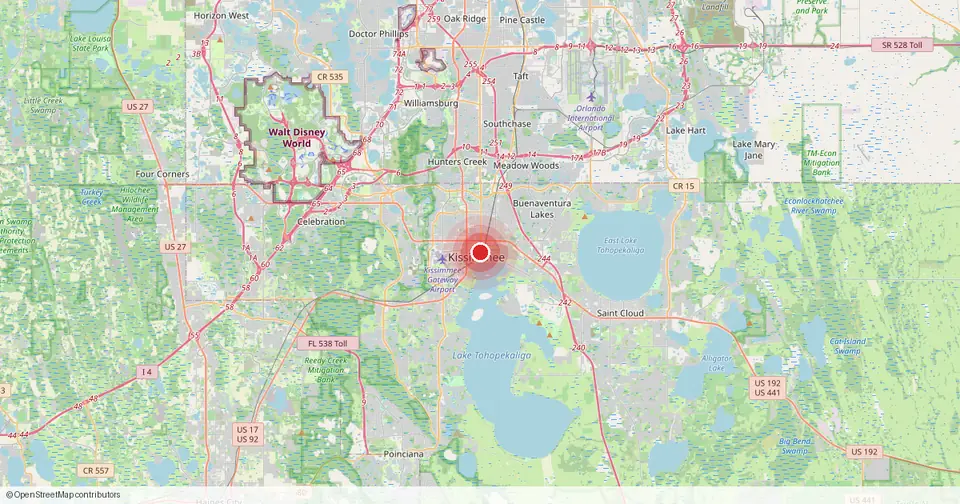
Kissimmee, FL — Osceola County
In-home PT for post-accident patients
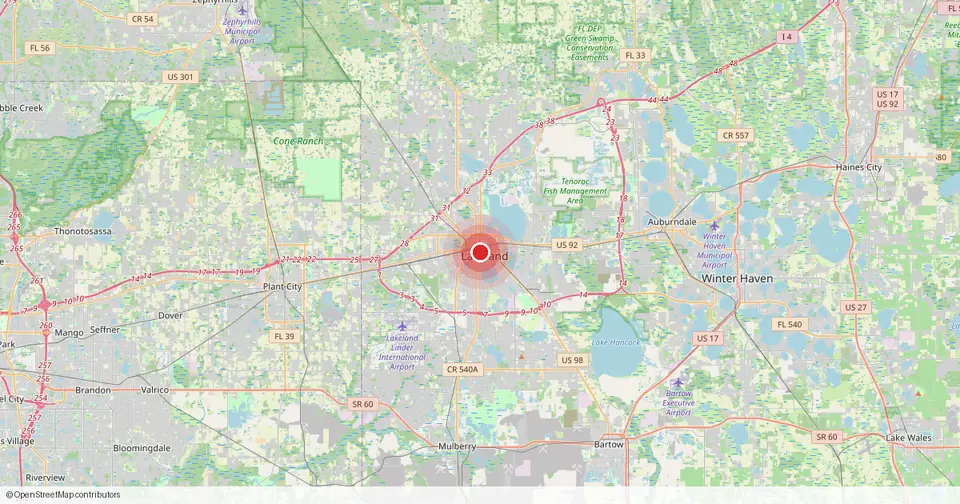
Lakeland, FL — Polk County
In-home PT for post-accident patients
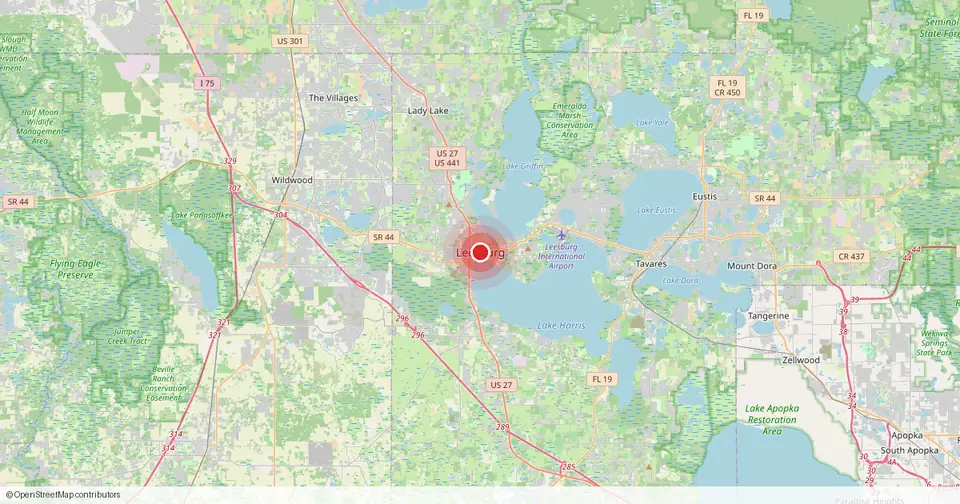
Leesburg, FL — Lake County
In-home PT for post-accident patients
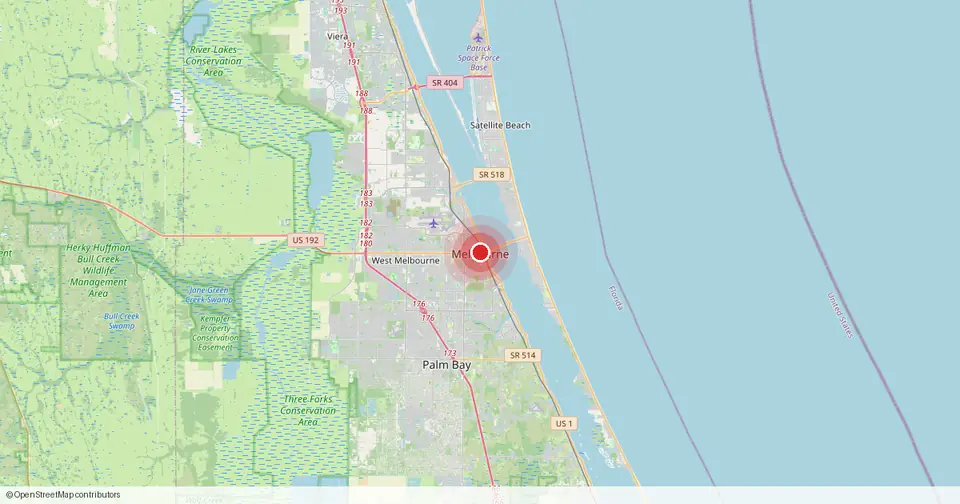
Melbourne, FL — Brevard County
In-home PT for post-accident patients
Merritt Island, FL — Brevard County
In-home PT for post-accident patients
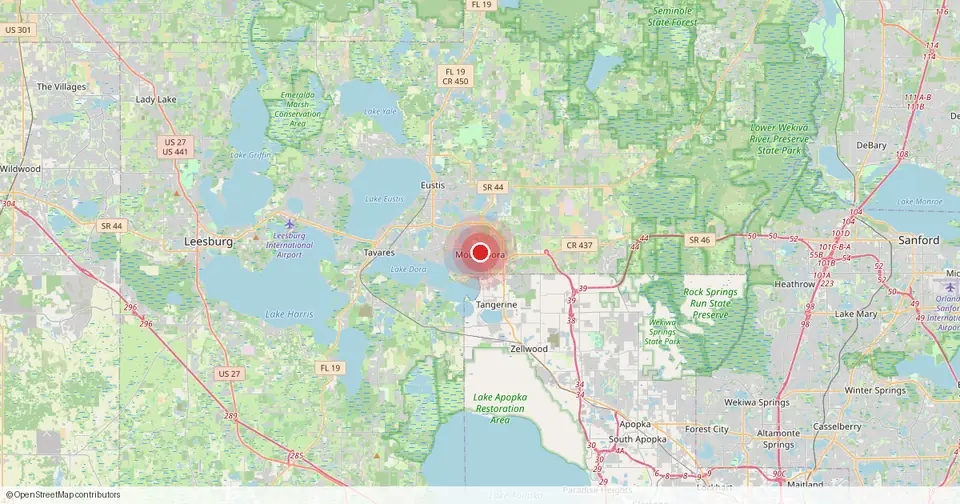
Mount Dora, FL — Lake County
In-home PT for post-accident patients
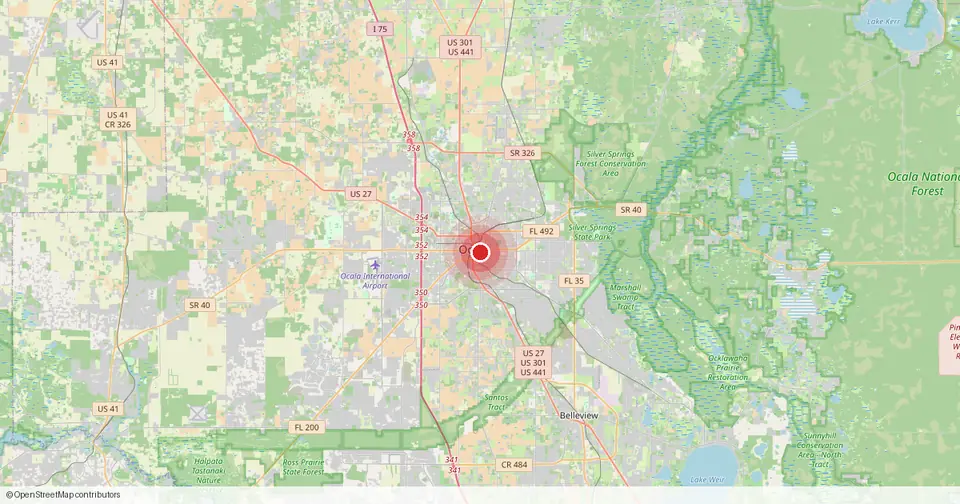
Ocala, FL — Marion County
In-home PT for post-accident patients
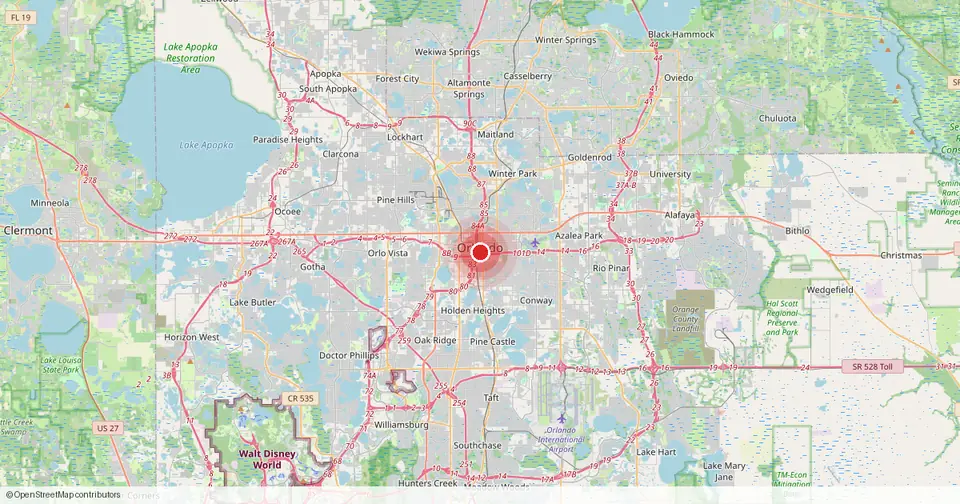
Orlando, FL — Orange County
In-home PT for post-accident patients
Rockledge, FL — Brevard County
In-home PT for post-accident patients
Satellite Beach, FL — Brevard County
In-home PT for post-accident patients
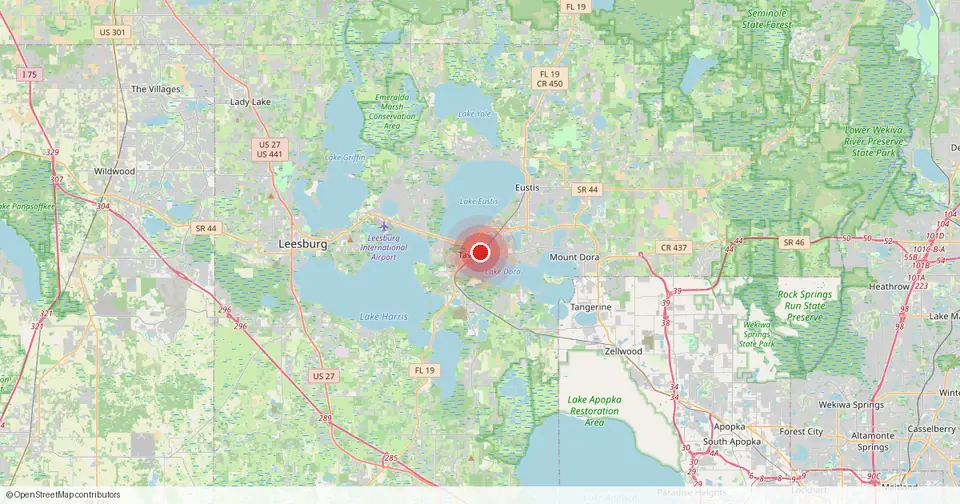
Tavares, FL — Lake County
In-home PT for post-accident patients
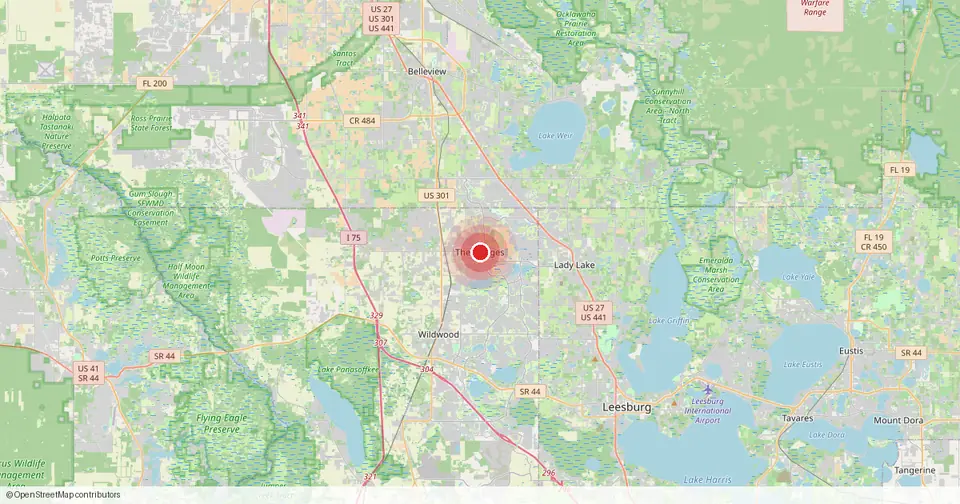
The Villages, FL — Sumter County
In-home PT for post-accident patients
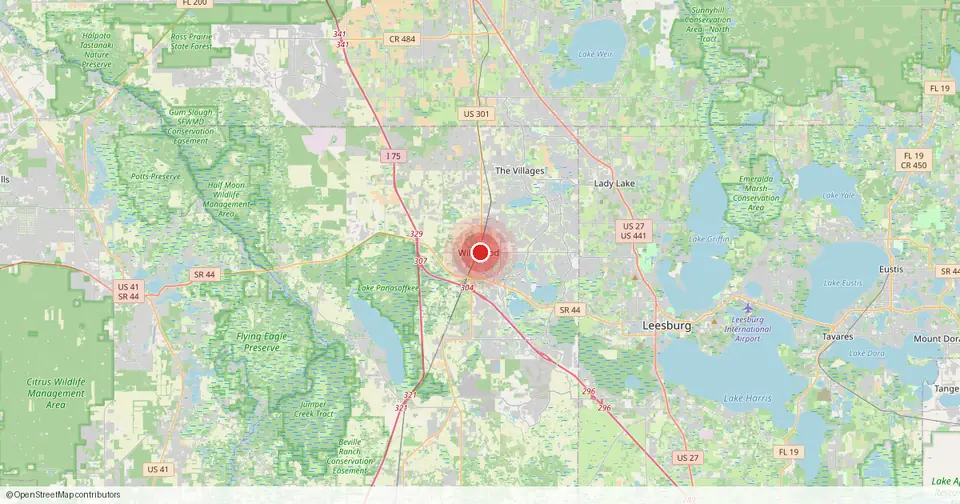
Wildwood, FL — Sumter County
In-home PT for post-accident patients
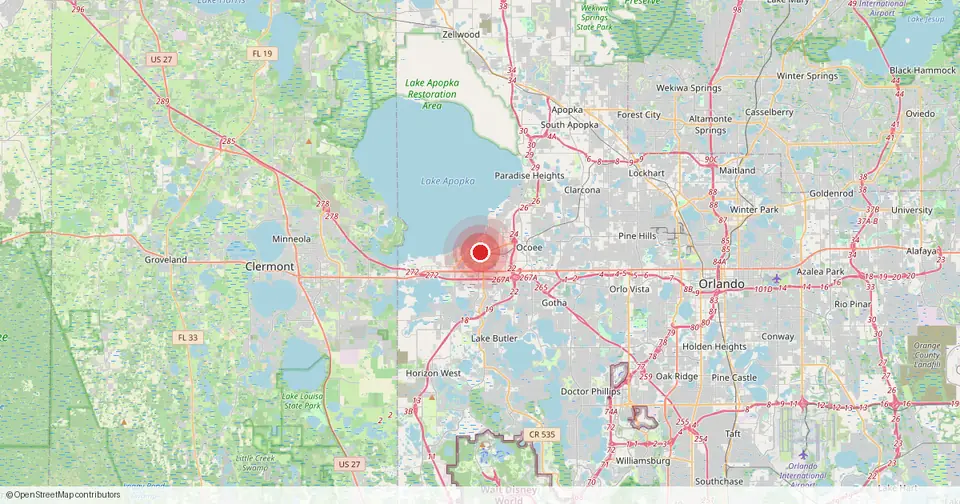
Winter Garden, FL — Orange County
In-home PT for post-accident patients
Southwest Florida
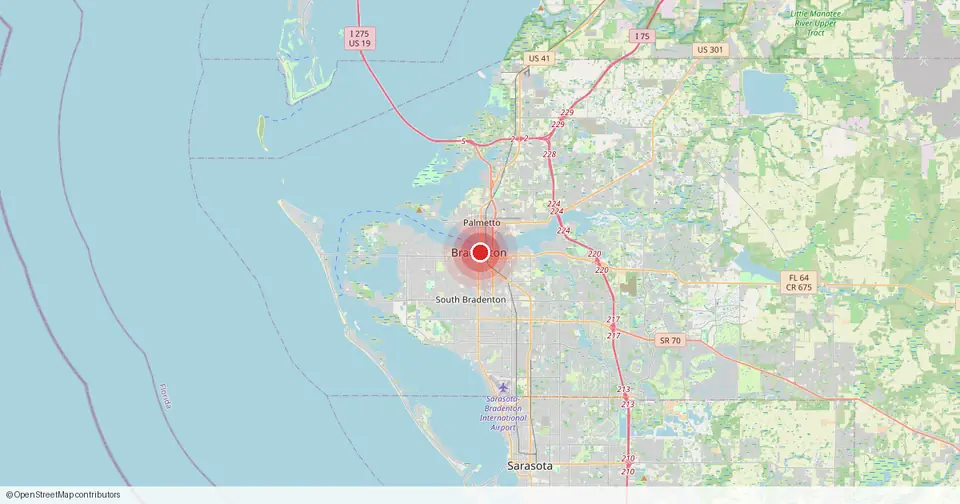
Bradenton, FL — Manatee County
In-home PT for post-accident patients
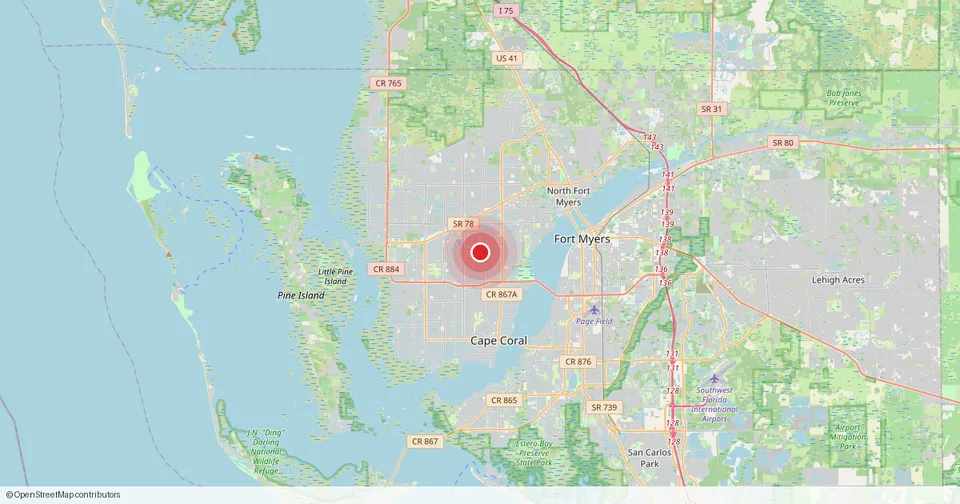
Cape Coral, FL — Lee County
In-home PT for post-accident patients
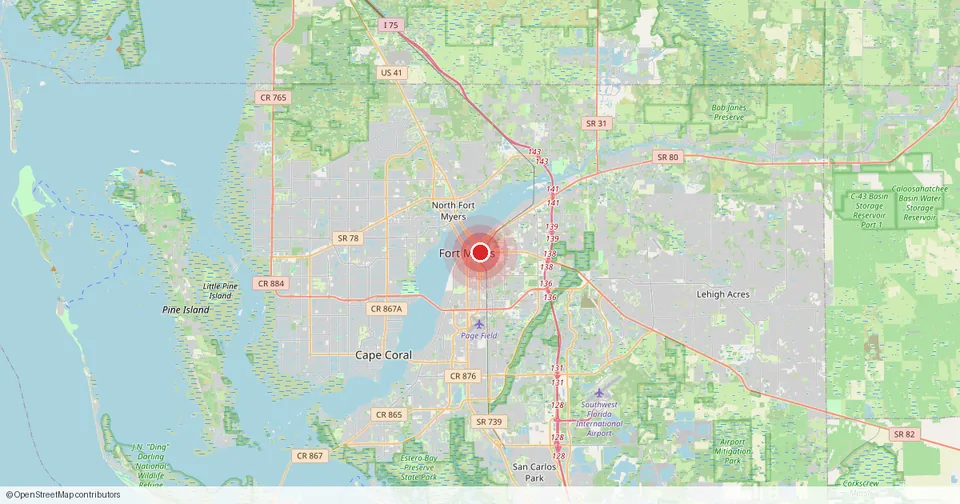
Fort Myers, FL — Lee County
In-home PT for post-accident patients
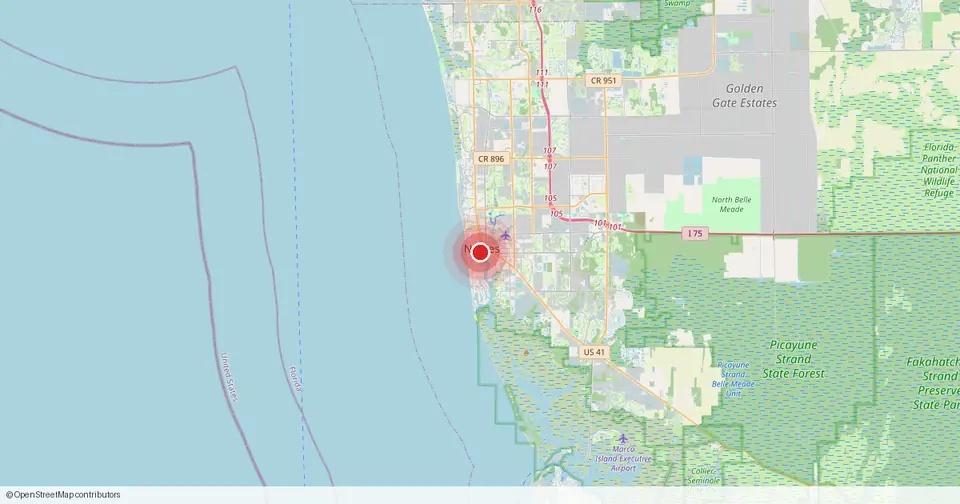
Naples, FL — Collier County
In-home PT for post-accident patients
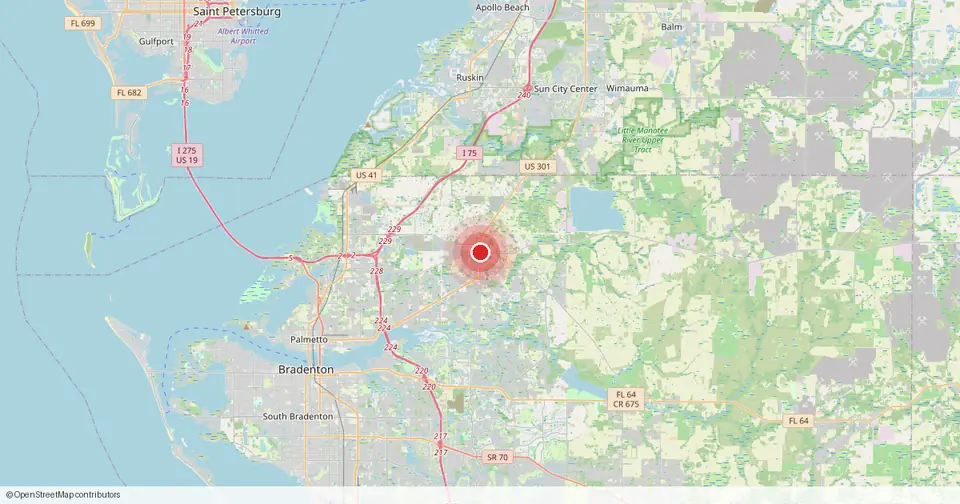
Parrish, FL — Manatee County
In-home PT for post-accident patients
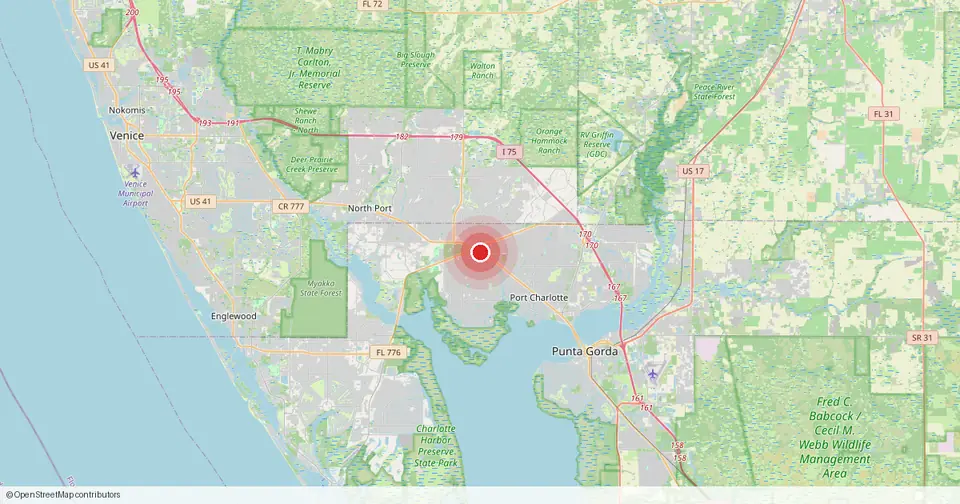
Port Charlotte, FL — Charlotte County
In-home PT for post-accident patients
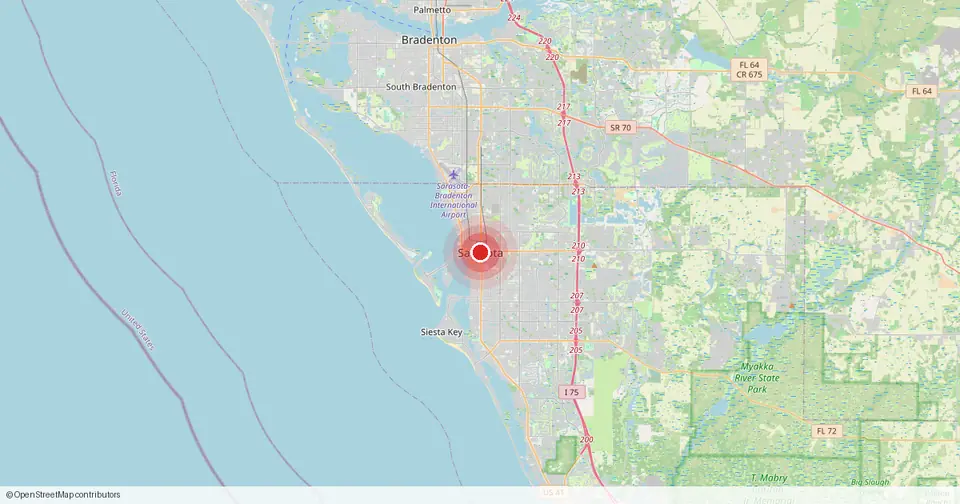
Sarasota, FL — Sarasota County
In-home PT for post-accident patients
South Florida
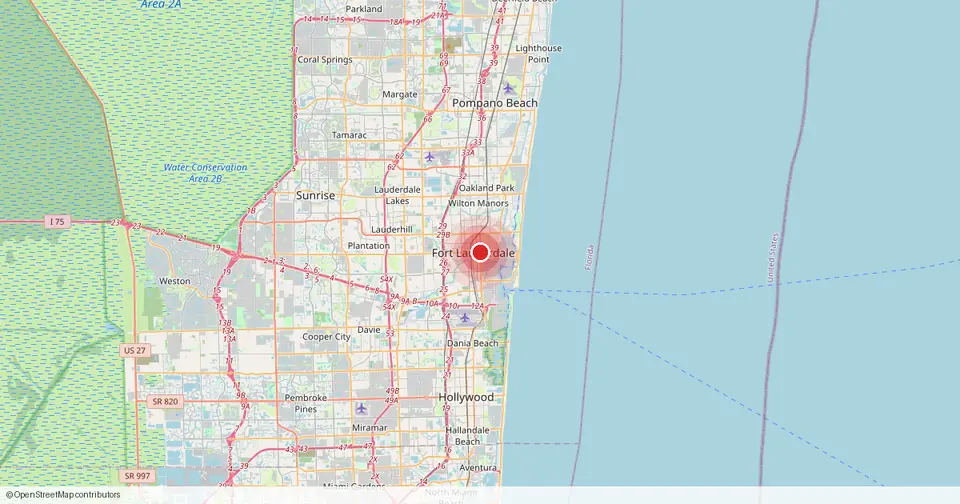
Fort Lauderdale, FL — Broward County
In-home PT for post-accident patients
Fort Pierce, FL — St. Lucie County
In-home PT for post-accident patients
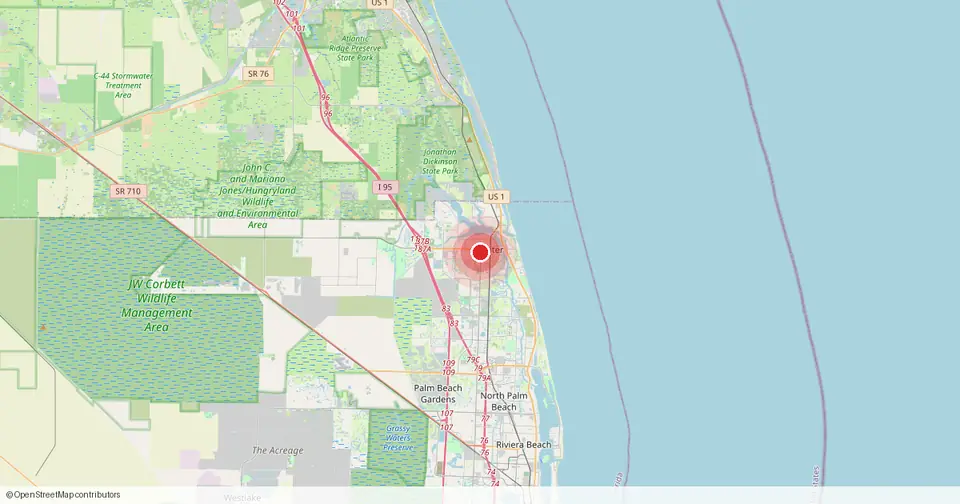
Jupiter, FL — Palm Beach County
In-home PT for post-accident patients
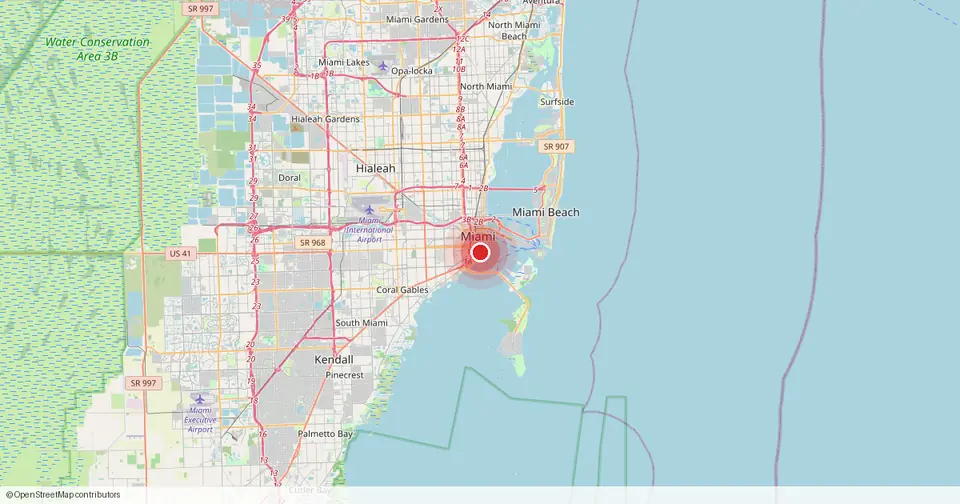
Miami, FL — Miami-Dade County
In-home PT for post-accident patients
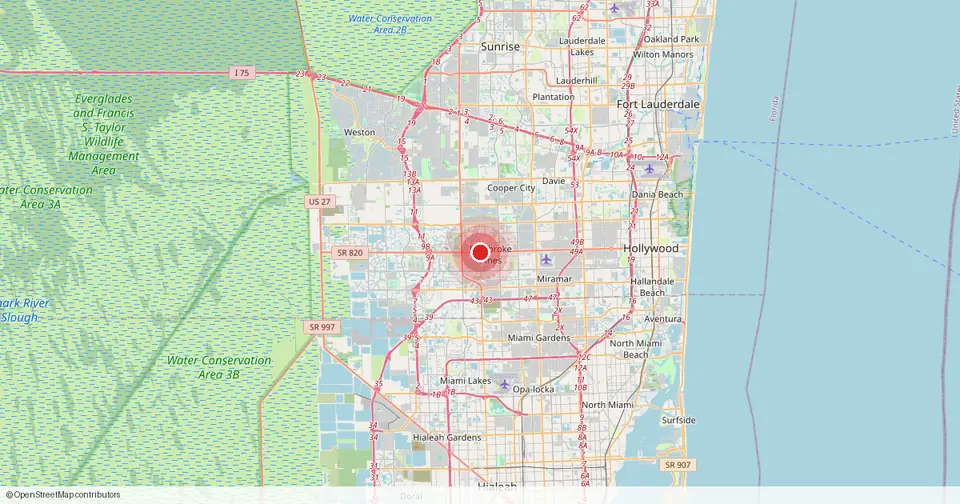
Pembroke Pines, FL — Broward County
In-home PT for post-accident patients
Sebastian, FL — Indian River County
In-home PT for post-accident patients
Vero Beach, FL — Indian River County
In-home PT for post-accident patients
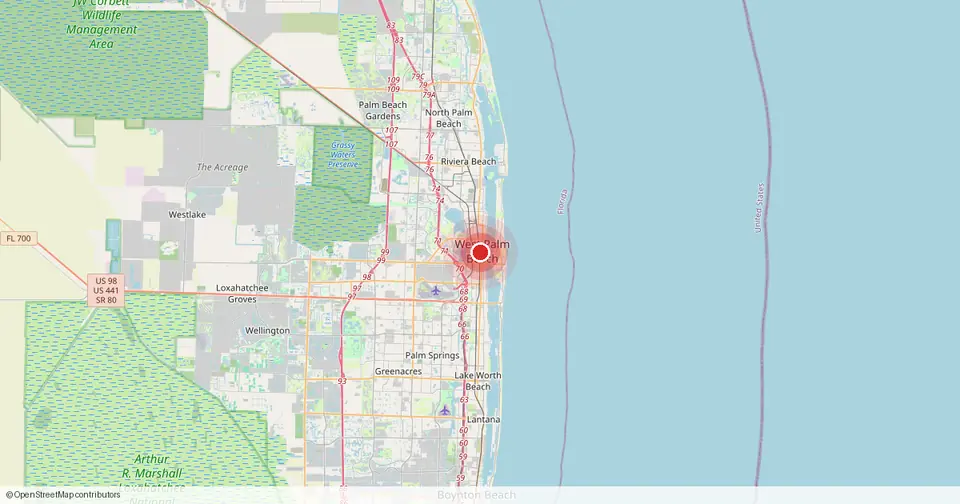
West Palm Beach, FL — Palm Beach County
In-home PT for post-accident patients
North Florida
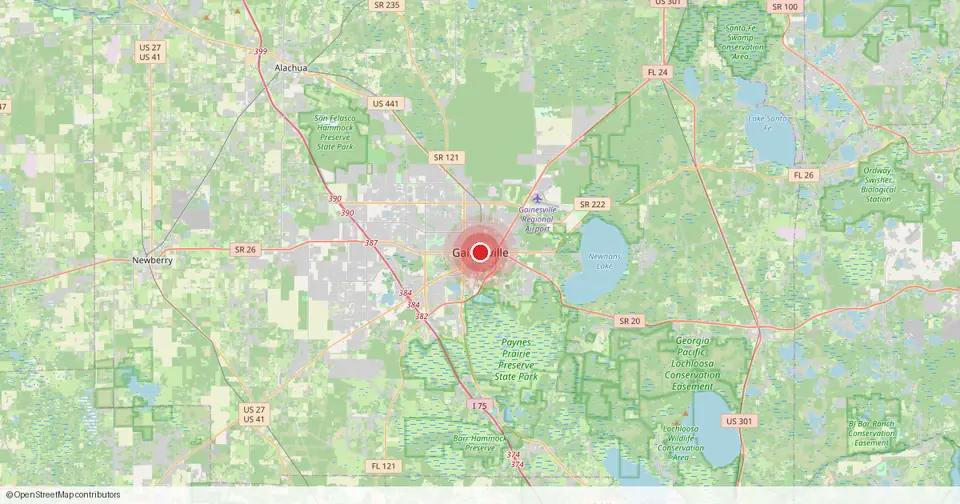
Gainesville, FL — Alachua County
In-home PT for post-accident patients
Gulf Breeze, FL — Santa Rosa County
In-home PT for post-accident patients
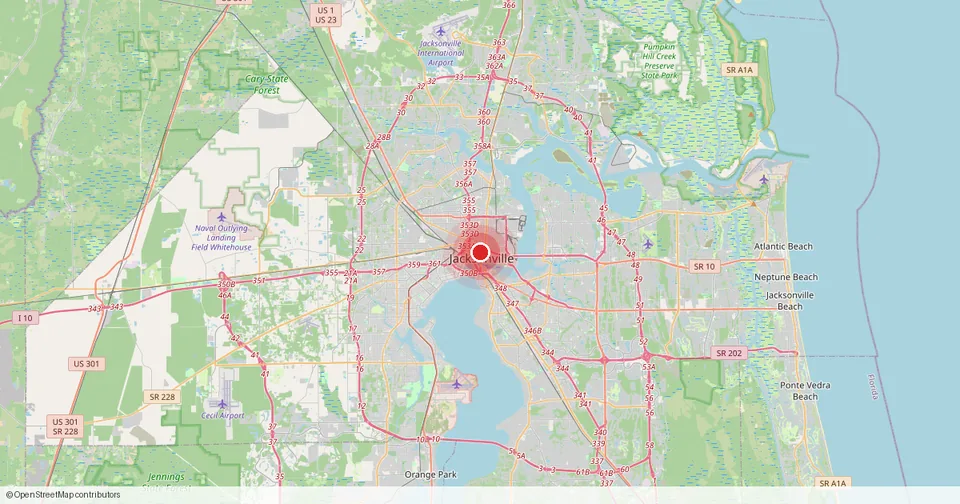
Jacksonville, FL — Duval County
In-home PT for post-accident patients
Milton, FL — Santa Rosa County
In-home PT for post-accident patients
Navarre, FL — Santa Rosa County
In-home PT for post-accident patients
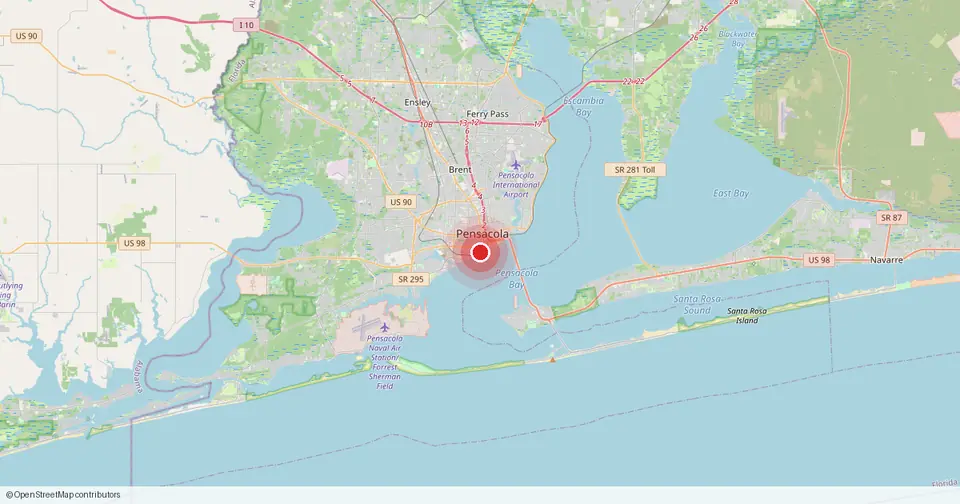
Pensacola, FL — Escambia County
In-home PT for post-accident patients
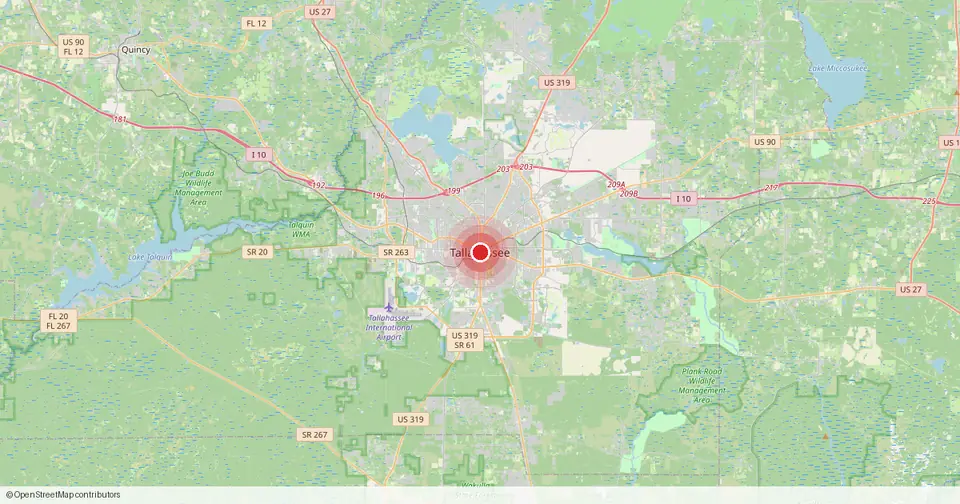
Tallahassee, FL — Leon County
In-home PT for post-accident patients
Florida counties we cover
Florida-licensed physical therapists across 50+ Florida counties. The list below shows counties with at least one hub city on this page — our clinicians also cover many neighboring counties on request. Call (813) 308-9809 to confirm coverage for a specific ZIP.
- In-home physical therapy in Alachua County
- In-home physical therapy in Brevard County
- In-home physical therapy in Broward County
- In-home physical therapy in Charlotte County
- In-home physical therapy in Citrus County
- In-home physical therapy in Collier County
- In-home physical therapy in Duval County
- In-home physical therapy in Escambia County
- In-home physical therapy in Hernando County
- In-home physical therapy in Hillsborough County
- In-home physical therapy in Indian River County
- In-home physical therapy in Lake County
- In-home physical therapy in Lee County
- In-home physical therapy in Leon County
- In-home physical therapy in Manatee County
- In-home physical therapy in Marion County
- In-home physical therapy in Miami-Dade County
- In-home physical therapy in Orange County
- In-home physical therapy in Osceola County
- In-home physical therapy in Palm Beach County
- In-home physical therapy in Pasco County
- In-home physical therapy in Pinellas County
- In-home physical therapy in Polk County
- In-home physical therapy in Santa Rosa County
- In-home physical therapy in Sarasota County
- In-home physical therapy in St. Lucie County
- In-home physical therapy in Sumter County
- In-home physical therapy in Volusia County
Coverage questions
- What counts as your service area in Florida?
- We serve 50+ Florida counties statewide, from the Panhandle through South Florida. Coverage is city-by-city, not ZIP-by-ZIP — if a specific address is right on the edge of a hub city, call (813) 308-9809 and intake will confirm a clinician is available before the referral is finalized.
- How quickly can a patient be seen after intake?
- Most referrals are scheduled within 48 hours of intake. Same-day evaluations are usually possible for post-discharge cases when the referral reaches us before noon.
- Do you cover rural counties, or just the big metros?
- Both. Our clinician network includes rural North Florida, the Nature Coast, inland Central Florida, and the western Panhandle in addition to the major metros. When a rural address is 20+ miles from the nearest hub, we confirm the travel window with the assigned clinician before scheduling.
- Which counties are the busiest for auto-accident PT?
- Hillsborough, Orange, Miami-Dade, Broward, Duval, Lee, and Pinellas consistently generate the highest volume of post-crash referrals. Our staffing in those counties reflects that — same-week starts are the rule, not the exception.
- What if the patient's city isn't listed on this page?
- The list on this page shows hub cities with a dedicated page — it isn't the full coverage map. Our clinicians drive from each hub to surrounding suburbs and small towns. Call (813) 308-9809 with the patient's ZIP and intake will confirm.
What patients across Florida say
Verbatim Google reviews from patients we’ve treated in Florida homes. See more on our reviews page.
“After my car accident, I turned to PT Near Me for help. The physical therapists were incredibly knowledgeable and supportive throughout my recovery process. Their mobile service was a lifesaver, allowing me to receive treatment in the comfort of my own home. They crafted a personalized plan that addressed all my injuries, which helped me heal faster and better. I am deeply grateful for their care and professionalism. I highly recommend their services to anyone in need of quality post-accident physical therapy.”
Temi Ayuba · Google
“PT Near Me did a great job with my physical therapy after my shoulder surgery. My therapist, Heather, came to my house 3 times a week, brought all needed equipment, and was very professional and thorough in performing my therapy. I would definitely recommend PT Near Me for your post-op physical therapy.”
Judith Rimpo · Google
“I had an exceptional experience here after my auto accident. The team provided knowledgeable, compassionate care and designed a personalized treatment plan that watched my progress closely and made adjustments that significantly improved my mobility, reduced pain, and boosted my overall well-being. Their expertise and support made a challenging time much easier, and I highly recommend! Thank you for everything!”
Mitchell R · Google
Don’t see your city?
Our clinicians cover 50+ Florida counties — many more than are listed here. Call intake to confirm coverage for a specific ZIP.